
Domi Domi

Best Folding Tents for Outdoor Events How to Choose?

Time:2026-07-03 Author:Oliver
0%

When planning an outdoor event, choosing the right shelter is crucial. Folding tents offer versatility and convenience, making them a popular choice. Whether hosting a family gathering, a festival, or a corporate event, the right folding tent can enhance your experience.

These tents come in various sizes and styles, catering to different needs. A reliable folding tent should not only provide protection from the elements but also be easy to set up and transport. Quality materials make a significant difference in durability and weather resistance.

Investing in the best folding tent can save you from potential issues. Consider the space, ease of use, and overall design. Evaluating these aspects ensures you select a tent that fits your specific requirements. Ultimately, the right folding tent elevates any event, creating a comfortable atmosphere for all attendees.
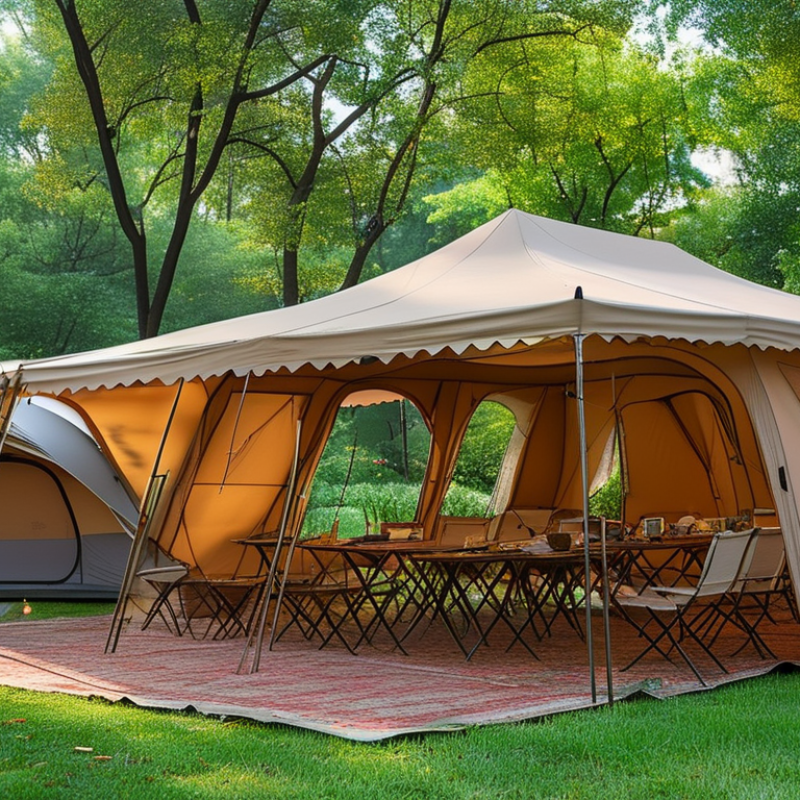
Best Folding Tents for Outdoor Events How to Choose?

Types of Folding Tents Suitable for Outdoor Events

Folding tents offer versatility for outdoor events. Many types are suitable depending on your needs. The classic pop-up tent is easy to set up. Its compact design makes it portable. It’s ideal for small gatherings or a day at the park.


Frame tents provide more room. They can accommodate larger groups. These tents often feature robust construction and multiple sizes. However, they can be heavier to transport. Be aware of the setup time required for these models.


Tips: Choose a tent that fits your specific outdoor event. Consider weather conditions when selecting materials. Lightweight options are great for sunny days. Remember, not all folding tents are waterproof. Some may need additional covers for rain. Evaluate your options carefully to ensure you select the right one.

Key Features to Consider When Choosing a Folding Tent

When choosing the best folding tents for outdoor events, several key features come into play. Firstly, durability is crucial. Research from the Outdoor Industry Association indicates that weather-resistant materials can extend the lifespan of tents. Look for options that use high-grade fabrics to resist tears and wear. Lightweight yet strong frames can also enhance portability while withstanding various environmental conditions.

Another vital aspect to consider is ease of setup. According to a survey by events professionals, 65% of respondents prioritize tents that can be pitched in under 10 minutes. Intuitive design elements like pop-up mechanisms can significantly reduce setup time. Compactness is another important feature. A tent that folds down into a manageable size can be a game-changer for transport, especially during large events where space is limited.

Ventilation matters as well. Proper airflow helps prevent condensation and creates a comfortable environment inside the tent. A USA Camping report found that tents with mesh panels and roof vents can improve air circulation, reducing stuffiness. It's also worth noting that while affordable options exist, investing a bit more in a high-quality tent can lead to better long-term performance, especially for frequent users.

Best Folding Tents for Outdoor Events

This chart illustrates the key features to consider when choosing a folding tent for outdoor events, rated on a scale from 1 to 10. These features include durability, weight, setup time, water resistance, and size options, providing insights into what makes an ideal folding tent.

Best Materials for Durability and Weather Resistance

Choosing the best materials for folding tents is crucial for outdoor events. Durability and weather resistance are key factors. A recent industry report indicates that tents made from high-grade polyester and polyethylene offer impressive longevity. Polyester tents can withstand UV rays, reducing fading. They are lightweight, making them easy to transport.

Polyethylene, on the other hand, excels in weather resistance. This material is waterproof and holds up against wind. In fact, studies show that tents made with polyethylene last up to five times longer in harsh conditions than lesser materials. Many outdoor professionals recommend double-stitched seams to enhance durability.

However, it's not just about materials. Some users face challenges with setup and weight. This doesn't negate the importance of quality materials, but it highlights the need for balanced choices. A tent's design should also cater to ease of use. Considering all these elements can lead to a more informed decision.

Size and Capacity Considerations for Folding Tents

Choosing the right folding tent for outdoor events involves careful consideration of size and capacity. Think about the number of guests. A tent must accommodate everyone comfortably. Too small, and it feels cramped; too large, and you waste space. Measure both the area available and the expected turnout.

When planning for capacity, allow for additional space. You'll need room for tables, chairs, and walkways. A general guideline is to allocate at least 10 square feet per person. For example, a 10x20-foot tent fits around 20 people seated, but could feel tight. You don’t want guests bumping into each other while mingling.

Tips: Always check local regulations regarding tent size and placement. Some venues have restrictions. Lastly, investing in a quality tent can save money over time, but it’s essential to assess your needs. Balance durability and weight; lighter tents are easier to transport but may be less sturdy in windy conditions. Make sure to test your setup beforehand, especially if you're unsure about the tent’s stability.

Tips for Setting Up and Taking Down Your Folding Tent

Setting up a folding tent can be a straightforward process, yet small mistakes can cause frustration. Begin by selecting a flat, open area for your tent. Remove any debris, like sticks or stones, to prevent damage. Deploy the tent according to its design. Ensure the tent's canopy is taut, as a loose fit may lead to sagging during inclement weather. Take your time when inserting the poles; rush the process, and you risk bending them.

When it comes to taking down a folding tent, the challenge often lies in the last few steps. Start by loosening the guy lines and unclipping attachments. Fold the tent neatly to avoid complex reassembly later. Pay attention to how it was set up; remembering each step is crucial for a smooth teardown. It's easy to forget details, leading to confusion the next time you set it up. Create a simple checklist for future reference, ensuring that your next outdoor event can be hassle-free.

FAQS

: What types of folding tents are available for outdoor events?

: Many types exist, like pop-up tents and frame tents. Pop-up tents are easy to set up and portable.

What is a pop-up tent good for?

A pop-up tent is ideal for small gatherings or a quick day at the park.

How do frame tents differ from pop-up tents?

Frame tents provide more space for larger groups but can be heavier and take longer to set up.

What should I consider when selecting a tent?

Think about your specific event needs, weather conditions, and the tent's portability.

Are all folding tents waterproof?

No, not all folding tents are waterproof. Some require additional covers for rain protection.

What materials are best for tent durability?

High-grade polyester and polyethylene are recommended for longevity and weather resistance.

How does polyester perform in outdoor conditions?

Polyester withstands UV rays and resists fading. It's lightweight and easy to transport.

What are the benefits of polyethylene tents?

Polyethylene is waterproof and durable against wind. These tents last significantly longer in tough weather.

Are there any common issues with folding tents?

Some users struggle with setup and weight. This makes careful considerations important when choosing.

What enhances a tent's durability?

Double-stitched seams are often recommended to improve a tent's strength against wear and tear.

Conclusion

When planning outdoor events, choosing the right folding tents can significantly enhance the experience. There are various types of folding tents, each designed to meet specific needs, from simple canopies to more elaborate structures. Key features to consider include ease of setup, weight, and stability, which are crucial for both convenience and safety.

Durability and weather resistance are essential, so selecting the best materials will ensure your tent withstands various environmental conditions. Additionally, size and capacity are important factors to account for, ensuring adequate space for guests and equipment. Finally, mastering the tips for setting up and taking down your folding tents will make the process seamless, allowing you to focus on enjoying your outdoor event.

Oliver

Oliver

Oliver is a seasoned marketing professional with a wealth of expertise in driving brand awareness and engagement. With a deep understanding of our company's product offerings, he consistently delivers high-quality content that enriches our professional blog. His insights not only shed light on......