
Domi Domi

Best Party Tent Options for Your Next Event Are You Ready?

Time:2026-06-07 Author:Henry
0%

Planning an outdoor event requires careful consideration, especially when it comes to choosing the right Party Tent. Expert event planner Jessica Hart emphasizes, "A well-chosen Party Tent can transform any gathering into a memorable experience." The right tent not only provides shelter but also sets the mood and style of your event.

When selecting a Party Tent, you should consider various factors. The size of your guest list matters. Additionally, the location’s terrain and weather are crucial. A tent that matches your vision can elevate your event, making it feel complete. Whether it's a wedding, birthday, or corporate event, a Party Tent can make all the difference.

Despite the abundance of options, making a choice can be overwhelming. Some tents may not suit your specific needs. Think about the amenities like lighting, ventilation, and flooring. Sometimes, a less popular option might fit better than the trendiest choice. Consider these details, as they can enhance the atmosphere of your event. Be sure to explore different styles and prices before making a final decision.
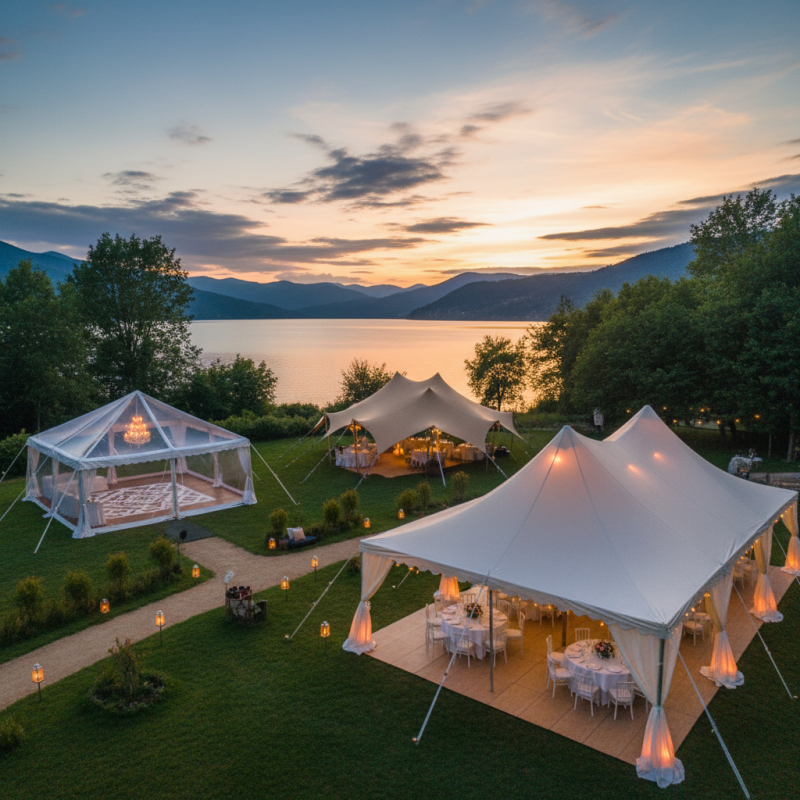
Best Party Tent Options for Your Next Event Are You Ready?

Top Considerations When Choosing a Party Tent for Your Event

Choosing the right party tent for your event involves several key considerations. First, assess the size needed for your guests. A report by the Event Planning Institute states that 20 square feet per person is a good metric. If you expect 100 guests, a 2,000 square foot tent is appropriate. A tent too small can lead to discomfort.

Weather is another critical factor. According to the National Weather Service, tent users should be prepared for sudden changes in weather. A reliable tent should withstand wind gusts of at least 30 mph. Additionally, consider flooring options. Grass may be less stable than a solid surface, leading to issues if the ground is wet.

Finally, think about accessibility. Ensure that the tent has suitable entrances and exits for all guests. While an attractive design may seem appealing, it should not compromise function. Not all tents offer equal durability or ease of use. A poorly chosen tent can lead to stress and frustration on the big day. Prioritizing these aspects can greatly enhance the success of your event.

Types of Party Tents: Canopies, Frame Tents, and Pole Tents Explained

When planning an outdoor event, selecting the right type of party tent is crucial. Canopy tents are perhaps the most common choice. They are lightweight and easy to transport. Canopy tents offer a basic shelter but lack sidewalls. This might expose guests to sudden weather changes or provide less privacy. According to industry reports, about 45% of event planners prefer these for casual gatherings.

Frame tents are more robust and can withstand mild winds. They use a metal frame to support the structure. This design allows for a spacious interior without the need for center poles. However, installation can be more complex. With around 30% of planners choosing frame tents, it's clear they value durability. You might need additional permits too, which can be a hassle.

Pole tents feature tall peaks and are visually striking. They require stakes for proper setup, which limits placement options. Though they create an elegant atmosphere, they might not be practical for rocky or uneven ground. As noted in several studies, nearly 25% of event organizers face challenges with these installations. Considering the aesthetic appeal versus practicality is essential.

Sizing Your Party Tent: Calculating Space for Guests and Activities

When planning an event, sizing your party tent is crucial. The right dimensions depend on the number of guests and activities. Start by estimating the number of attendees. Will they be sitting, standing, or mingling? A seated dinner requires more space than a cocktail-style gathering. Generally, you need about 10 square feet per guest for a buffet style and up to 15 square feet for a seated meal.

Next, consider additional space for activities. Do you need room for a dance floor, a stage, or food stations? Each activity requires its own area. For example, a small dance floor may take up around 100 square feet. If you want a photo booth or games, factor in their space too. It’s easy to underestimate this. Reflect on past events and adjust your calculations.

After estimating space, visualize the layout. Use markers to map areas within the tent. This helps identify whether your arrangement is practical. You may discover that your initial measurements were too tight. Always consider airflow and accessibility. Cramped spaces can make guests uncomfortable. Proper planning ensures a successful event.

Essential Accessories for Your Party Tent: Lighting, Flooring, and More

Choosing the right accessories can elevate your party tent experience. Lighting plays a significant role in setting the mood. According to a report from the Event Industry Council, effective lighting can increase guest engagement by 30%. Soft, warm lights create a cozy atmosphere. Consider string lights or lanterns for a festive touch.

Flooring is another key element to consider. A solid floor not only enhances comfort but also improves safety. Many event planners recommend interlocking tiles for easy setup. Research shows that events with proper flooring can reduce the likelihood of slips and falls.

Tips: Think about your venue's terrain. If it's grassy, you might need a more stable flooring option. Also, mix different lighting styles for a unique ambiance. It’s essential to reflect on these details to host a memorable event. Proper planning can be the difference between an average gathering and an unforgettable celebration.

Setting Up Your Party Tent: Tips for Smooth Installation and Use

Setting up a party tent can be a rewarding yet challenging task. Start by choosing a flat, clear area. Remove any sharp objects or debris that could damage the tent. If it’s windy, consider anchoring the tent securely. Using heavy weights can help prevent it from blowing away. These small steps can make a big difference later.

Next, focus on the assembly process. Gather all the poles and fabric before you begin. Make sure you have proper tools on hand. Ensure that you have at least one more person with you. Having an extra pair of hands makes the process smoother and safer. Pay attention to the instructions, but don’t panic if things don’t go perfectly. Adjustment may be necessary as you go along.

Finally, take time to properly secure the tent's guy lines. Check that all sides are taut. This ensures structural integrity during your event. Remember, it’s okay if you encounter issues. Every experience teaches you something valuable. Reflect on what could be improved for the future, and enjoy the process of creating a wonderful atmosphere for your guests.

FAQS

: What types of party tents are available?

: There are three main types: canopy tents, frame tents, and pole tents. Each has unique features and benefits.

What are the advantages of canopy tents?

Canopy tents are lightweight and easy to transport. They offer basic shelter but lack sidewalls, which can expose guests to the weather.

How do frame tents differ from canopy tents?

Frame tents are sturdier and can withstand mild winds. They have no center poles, allowing for more internal space, though they are harder to install.

Why might someone choose a pole tent?

Pole tents are visually striking and create an elegant atmosphere. However, they require stakes and may not work on uneven ground.

How do I determine the right tent size for my event?

Start by estimating attendees and their activities. A seated meal needs more space than a standing event, usually about 10 to 15 square feet per guest.

What should I consider for tent layout?

Visualize the layout with markers to ensure practicality. Cramped spaces can make guests uncomfortable, so plan for airflow and accessibility.

Why is lighting important for the tent?

Proper lighting sets the mood and boosts engagement. Warm, soft lights or string lights can create a cozy experience for guests.

How can flooring enhance the event?

Solid flooring improves comfort and safety. Interlocking tiles are recommended and can prevent slips, especially on uneven terrain.

What accessories should I prioritize for my tent?

Key accessories include lighting, flooring, and any necessary decorations. Reflect on your terrain and mix lighting styles for ambiance.

What are common mistakes in tent planning?

Underestimating space for activities is common. Always review past events and adjust. Proper planning can truly make or break your gathering.

Conclusion

When planning your next event, selecting the right party tent is crucial for ensuring your guests are comfortable and the occasion is enjoyable. Key considerations include the type of tent—whether a canopy, frame, or pole tent—which determines its structure and suitability for different settings. Sizing is another vital factor; accurately calculating the space needed for guests and activities ensures a pleasant environment.

Additionally, enhancing your party tent with essential accessories such as lighting and flooring can greatly improve the overall atmosphere. Finally, proper setup is key to a smooth experience, so following strategic installation tips will help you utilize your party tent effectively. By carefully considering these aspects, you can create a successful and memorable event under the perfect party tent.

Henry

Henry

Henry is a dedicated marketing professional with a profound expertise in the company's offerings. With years of experience in the industry, he possesses an impressive understanding of the market dynamics and consumer behaviors that drive success. Henry is committed to sharing his insights through......