
Domi
A reliable shade tent does more than block sunlight. It creates a cooler place to eat, rest, and gather, whether you’re camping beside a lake or hosting a backyard event. The right choice depends on more than canopy size. Fabric coverage, frame strength, ventilation, packed weight, and setup time all matter. A broad roof may look ideal, but exposed legs can leave chairs in full sun. Small details count.
We can’t verify a named shade-tent expert or quotation from the material provided, so we won’t invent one. A useful buying principle is simple: “Choose for the conditions you may face, not only the weather you hope for.” Treat it as guidance, not a guarantee. Wind, uneven ground, and shifting sunlight can challenge even a well-built shelter. Honestly, no single model suits every campsite or event.
This guide compares shade tents for practical use, from compact shelters that fit in a car trunk to roomy canopies for group gatherings. We’ll look at coverage, materials, portability, and setup, while noting the compromises behind each feature. By the end, you’ll have a clearer sense of which Shade Tent fits your plans—and what to check before buying.
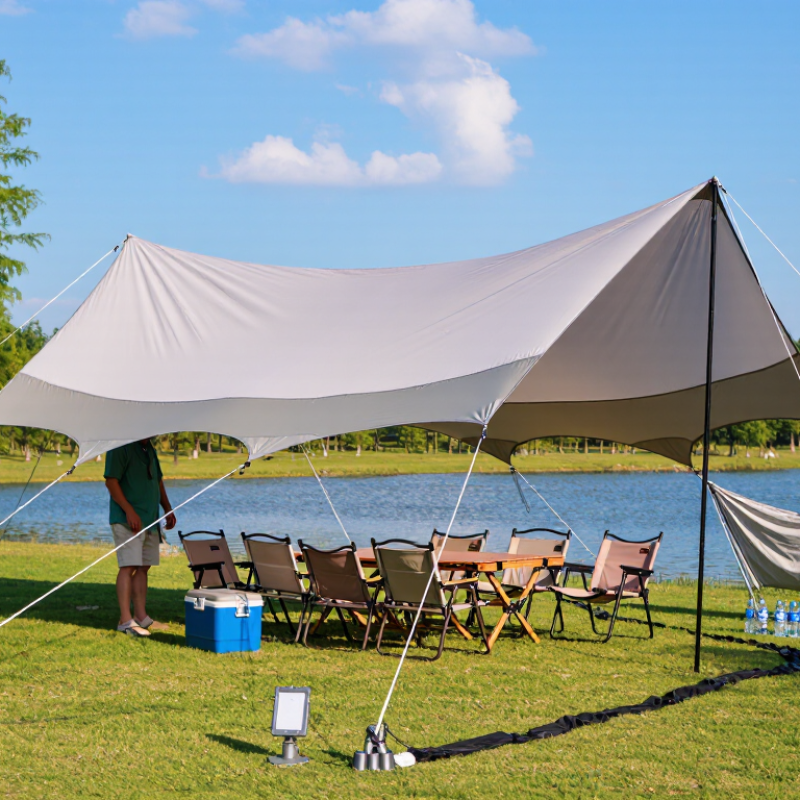
A 10 × 10 ft canopy offers 100 square feet of ground coverage on paper. In practice, sloping edges, the frame, and angled sunlight reduce the comfortable shaded area. It can shelter a small table and several chairs, but it may feel crowded when people gather with bags or coolers. For camping, check packed size, setup time, and whether the shelter fits your site. At an event, think about guest flow and how long the shade will stay over seating. A sunny morning can become a hot afternoon.
Tips: Measure your chairs and table before choosing. Check that stakes or approved weights suit the surface, and secure the canopy as its instructions direct. Wind changes things quickly. Never assume a shade tent is safe in worsening weather.
The best choice depends on the job, not just the square footage. For a campsite, lighter gear may matter more than extra headroom. For a market stall or family gathering, open sides can make access easier, while side panels may help block low sun. I’d still leave room around the legs; it’s easy to underestimate how much space they need. Check fabric coverage, frame dimensions, and setup requirements before buying, since listed canopy size alone does not tell the whole story.
2026 Best Shade Tent for Camping and Events?
UPF 50+ sounds reassuring because it means tested fabric transmits no more than about 2% of ultraviolet radiation. AATCC TM183 measures UV transmission through textiles, not the protection of an entire tent. That distinction matters. Sunlight can still enter through open sides, while reflected UV reaches skin beneath the canopy. The WHO’s Global Solar UV Index guide recommends protection when the index reaches 3 or higher, so check local conditions before setting up camp.
Look for fabric test information, then inspect seams and coverage. At midday, a broad canopy can shade a picnic table, but a low sun may send bright light across the ground and under the edge. Move chairs as the sun shifts. Keep children out of direct sun where possible, and pair shade with protective clothing and sunscreen. Not a force field. Wetness, stretching, wear, and gaps may affect real-world coverage, so replace damaged fabric and avoid assuming the label tells the whole story. I would also check shade on the ground every hour; it is an easy detail to miss when everyone is busy unpacking.
Compare UV protection: UPF 50+ fabric blocks at least 98% of UV radiation.
The blocked percentages are calculated from each UPF rating using 100 × (1 − 1/UPF). UPF 50+ represents a minimum of 98% blocked; higher ratings block more. For a shade tent, check the fabric’s UPF rating and remember that coverage, seams, and openings also affect sun exposure.
A shade tent can look sturdy in a showroom and feel surprisingly flexible on a windy field. Check the frame joints, leg locks, and canopy seams before judging its size. Aluminum frames are light to carry, but thin tubing may twist under repeated gusts. Steel can feel more rigid, yet added weight makes transport harder. Inspect the actual connections. A strong-looking frame is not automatically a strong setup.
Anchoring matters as much as frame design. Secure every leg using anchor points suited to the ground: stakes for suitable soil, or properly rated weights on hard surfaces. The National Weather Service’s Beaufort Wind Scale describes 19–24 mph winds as strong enough to move large branches and make umbrellas difficult to use. That is a warning sign, not a tent’s safe operating limit. NOAA’s National Hurricane Center classifies hurricane-force winds from 74 mph, but a shade tent should never be assumed safe just because conditions fall below that threshold.
Check the tent maker’s stated wind limits and take the canopy down early when forecasts worsen. Do not wait for flapping fabric or rattling poles. One practical detail is often missed: wet ground can loosen stakes, while gusts can lift a canopy even when its legs feel planted. A slightly inconvenient teardown is better than trusting a setup that has not been tested for changing weather.
Compare common shade-tent styles rather than brand-specific products. Dimensions, setup times, and weather performance vary by design; always follow the tent’s instructions and stated limits.
| Tent style | Typical size and capacity | Frame and setup | Anchoring considerations | Weather limits | Best suited for |
|---|---|---|---|---|---|
| Pop-up canopy | Commonly 10 × 10 ft (3 × 3 m); provides about 100 sq ft (9.3 m²) of shade. | Folding steel or aluminum scissor frame. Often takes two people a few minutes to open and secure. | Secure every leg with stakes on suitable ground or purpose-made weights on hard surfaces. Use the attachment points specified by the manufacturer. | Many recreational models are not designed for strong or gusty winds. Rain performance depends on the canopy fabric, seams, pitch, and drainage; prevent water from pooling. | Day-use camping, picnics, market stalls, and short events in mild conditions. |
| Beach shade shelter | Varies widely; commonly shelters a small group with an open front or partial side panels. | Usually a lightweight pole, hub, or flexible-frame design. Setup is generally quick, but sand can make assembly and tensioning more challenging. | Use sand anchors or bury suitable anchor points as directed. Recheck them as wind and shifting sand can loosen a shelter. | Lightweight shelters can lift or collapse in gusts. They are not a substitute for a storm-rated structure; take them down if conditions deteriorate. | Beach visits and calm-weather day trips where portability matters. |
| Screen-room canopy | Often based on a 10 × 10 ft (3 × 3 m) footprint, with mesh walls for insect protection. | Folding canopy frame or pole-supported frame with attached mesh panels. Extra panels can increase setup time. | Anchor all frame legs. Keep doors secured and avoid leaving loose panels exposed to changing wind. | Mesh reduces airflow less than solid walls but does not make the structure windproof. Most versions are intended for fair-weather use, not severe wind or heavy rain. | Campgrounds and outdoor gatherings where shade and insect screening are priorities. |
| Ridge or tarp shelter | Highly adjustable; coverage depends on tarp size, pole height, and pitch. | Uses a tarp or canopy fabric with poles, trees, or trekking poles and tensioned lines. Setup flexibility requires careful pitching. | Stake out every guyline and choose reliable anchor points. Use suitable stakes for the soil and keep lines visible to reduce trip hazards. | Performance depends strongly on pitch, fabric, anchor strength, and wind direction. A low, taut pitch generally sheds wind better than a tall, loose setup; avoid pooling water. | Backpacking and camping where compact packing and adaptable coverage are more important than enclosed space. |
| Frame tent for events | Available in a wide range of footprints; larger sizes can cover dining or gathering areas. | Modular metal frame with a tensioned fabric roof. Assembly typically takes longer and may require several people. | Requires properly sized stakes, ballast, or other engineered anchoring appropriate to the site and structure. Do not assume leg weights alone are sufficient. | Use only within the structure’s documented weather limits. Large roofs can catch substantial wind; professional installation may be appropriate for larger event setups. | Planned events needing broad coverage, especially when a more structured layout is required. |
| Pole tent | Commonly used for larger event areas; usable space and layout depend on center and side poles. | Fabric roof supported by center and perimeter poles, with tension maintained by ropes or straps. | Needs secure perimeter anchoring and clear space for guy lines. Confirm that the venue allows the required stakes or approved alternatives. | Wind and rain capacity depends on the specific design, installation, and site. Do not use in conditions beyond the manufacturer’s stated limits. | Events on sites with enough room for guy lines and suitable ground anchoring. |
A shade tent earns its place through airflow, not just its footprint. Look for mesh panels on opposing sides, high vents, and walls that can roll up; these let warm air escape when afternoon sun turns the canopy into a still, hot space. A roof that blocks sun but traps air can feel worse than expected. The Outdoor Foundation’s 2024 Outdoor Participation Trends Report counted 175.8 million U.S. participants in outdoor recreation during 2023, a reminder that shade shelters serve busy campsites and event areas, not only quiet weekends. Test ventilation with the sides attached, since that is often when families need privacy and wind protection.
Setup time matters when rain is approaching or daylight is fading. Practice once at home, then time the setup with two people and again with one; advertised times may not reflect either situation. Check that poles lock clearly and stakes remain reachable after the shelter is standing.
Small detail.
Packed size deserves the same scrutiny: measure the bag, then compare it with your car trunk, storage shelf, or event cart. A tent can be light yet awkwardly long. I would favor a slightly heavier model that packs neatly over a compact design with confusing joints, though that trade-off is not universal. Measure before buying, and leave room for the stakes and mallet.
Choosing the best shade tent for camping or events starts with a realistic headcount. A two-person shelter can feel cramped once chairs, a cooler, and muddy shoes arrive. For family camping or a busy market stall, compare usable floor area—not just the advertised capacity. The Outdoor Industry Association’s 2024 Outdoor Participation Trends Report counted 175.8 million U.S. outdoor participants in 2023. That broad audience has different needs, so one tent size will not suit every trip.
Tips: Measure your table and chairs before buying. Check the packed weight if you will carry the tent from a car park. Look for clear fabric coverage and a frame that locks firmly. A UV rating is useful, but shade shifts as the sun moves. It is easy to forget that.
Durability matters when the tent faces repeated setup, gusts, and damp ground. Inspect stitched seams, connectors, and replacement-part options; thin joints can wobble after a few outings. Follow the maker’s wind guidance, and take the shelter down when conditions worsen. For price, compare warranty terms and included stakes, not just the checkout total. A cheaper model may be enough for occasional backyard events, while frequent campers may value sturdier poles and easier repairs. I still tend to underestimate setup space. That mistake is worth checking before choosing.
Check the frame joints, leg locks, and canopy seams. Thin aluminum tubing may twist in repeated gusts. Steel can feel more rigid, but it is heavier to carry. Looks can mislead.
Use stakes in suitable soil, or properly rated weights on hard surfaces. Secure every leg. Wet ground can loosen stakes, even when they seemed firm at setup.
Follow the tent maker’s stated wind limits and pack it away early when forecasts worsen. Winds around 19–24 mph can move large branches and challenge umbrellas. That range is a warning, not a tent safety rating.
Not necessarily. A shade tent should not be assumed safe just because winds are below 74 mph. Gusts can lift a canopy while its legs still feel planted. I would not gamble on that.
Look for mesh panels on opposite sides, high vents, and roll-up walls. Test airflow with the walls attached. A shaded roof can still trap hot air.
Practice at home and time setup with two people, then with one. Check that poles lock clearly and stakes remain reachable. Advertised times may not match your experience.
Measure the carry bag and compare it with your trunk, shelf, or event cart. Leave room for stakes and a mallet. Light does not always mean easy to store.
No. A slightly heavier tent may pack neatly and have clearer joints. That trade-off depends on your needs. I still find this hard to judge without seeing the packed bag.
Choosing the best Shade Tent for 2026 starts with how and where you plan to use it. A 10 × 10 ft canopy offers 100 sq ft of coverage, making it a practical option for a small camping group, picnic area, or event setup. Look beyond the advertised size, though: consider how many people and how much gear need to fit beneath it, and check whether the fabric offers UPF 50+ protection, which blocks at least 98% of UV radiation.
A sturdy frame and reliable anchoring help keep the tent stable, but no canopy should be assumed suitable for severe weather. Compare ventilation, setup time, and packed size to make sure it works for your actual trips and storage space. Finally, balance capacity and durability against your budget. The right choice is one that provides dependable shade, is manageable to carry and assemble, and suits the conditions you expect to encounter.
