Choosing a Travel Tent for your next adventure can reshape your outdoor experience. According to the Outdoor Industry Association, camping is increasingly popular, with over 40% of Americans participating in it annually. A quality Travel Tent offers durability and comfort, essential for enjoying nature. Expert Sarah Thompson, a leading voice in outdoor gear, says, "A well-designed Travel Tent can enhance your connection to nature."
Weather resistance is vital when selecting a Travel Tent. In recent market reports, over 70% of campers cited weather protection as their top priority. A tent that withstands rain and wind ensures safety and comfort during your trips. Consider features like ease of setup and weight. Many campers struggle with complicated tents but prefer options that allow quick assembly.
Finding the right Travel Tent can feel overwhelming. Many brands promise the best, but it’s essential to research and read user reviews. A mismatch can lead to discomfort and disappointment on your adventure. Balance between size, weight, and cost may require sacrifices. Evaluating your needs and preferences can lead to a rewarding outdoor experience.
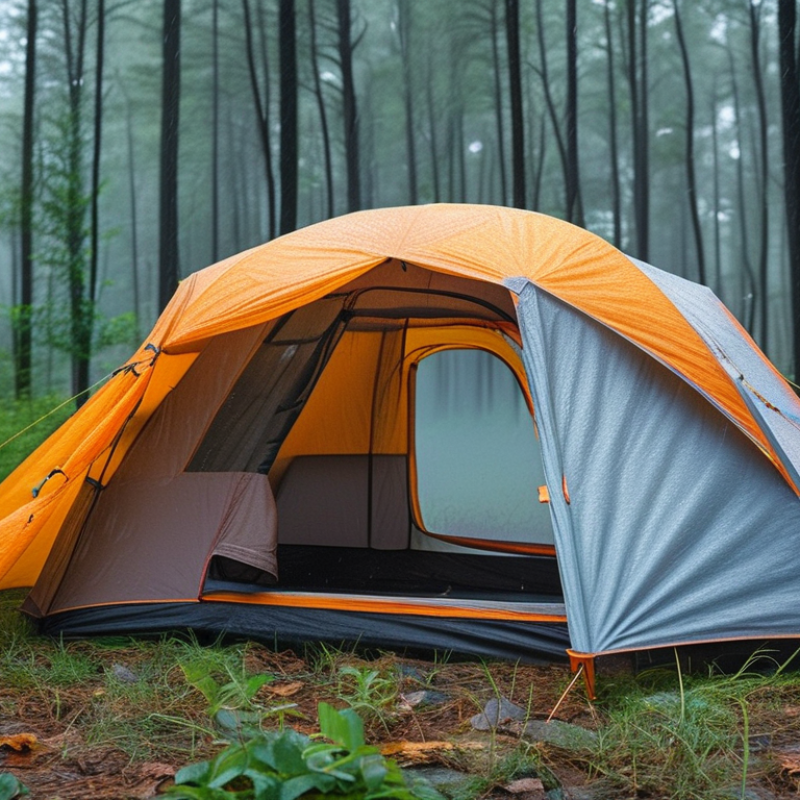
Benefits of Using a Travel Tent for Outdoor Adventures
Traveling outdoors offers unique experiences and challenges. A travel tent can enhance these adventures significantly. One major benefit is portability. Travel tents are designed to be lightweight and compact. This makes them easy to carry, whether hiking or car camping. You can attach a travel tent to your backpack without feeling overwhelmed.
Another advantage is weather protection. Many travel tents are built to withstand various conditions. They keep you dry during rain and shield you from sun exposure. Ventilation is also key. A well-ventilated tent prevents condensation buildup, ensuring comfort inside. While setting up might require practice, the effort often leads to a rewarding experience under the stars.
Safety should not be overlooked. A travel tent provides a secure space for rest. You’re less exposed to wildlife and insects. Although there are challenges like finding flat ground, the trade-off is worth it. Camping in a travel tent encourages a deeper connection with nature. It allows for spontaneous exploration and adventure.
Types of Travel Tents: Choosing the Right One for Your Needs
When choosing a travel tent, it's essential to consider your needs. There are various types available, each designed for different environments and adventures. Backpacking tents are lightweight and easy to carry. They typically weigh under five pounds, making them ideal for long hikes. Family tents, on the other hand, provide more space but can be cumbersome for solo adventurers. A study by the Outdoor Industry Association indicates that 43% of campers prefer three-season tents because they balance weight and protection.
Another important factor is setup time. Instant tents can be pitched in under five minutes, appealing to novice campers or families with children. Conversely, traditional tents may take longer and require more effort, which can be a drawback for some. A report from the American Camping Association found that 58% of campers described sturdiness as a crucial feature. It’s clear that while pressure is mounting to prioritize speed and convenience, we must not overlook durability.
Weather conditions also play a significant role in your choice. If you camp frequently in rainy areas, a tent with a high waterproof rating is necessary. A tent's material can also affect ventilation, impacting comfort levels. Many users report dissatisfaction with condensation issues in less breathable tents. This feedback highlights the need for careful selection based on environmental conditions.
Key Features to Look for in a Travel Tent
When planning your next adventure, selecting the right travel tent matters. A travel tent's key features can greatly enhance your outdoor experience. According to a 2023 report by the Outdoor Industry Association, over 50% of campers prioritize weight and portability in their tent choice. Lightweight designs allow for easy transport, especially during long hikes.
Weather resistance is another essential feature. Many travel tents now offer waterproof fabrics and sturdy zippers, ensuring you stay dry in unpredictable weather. A recent study showed that 72% of campers rank weatherproofing as a top priority. Features like breathable mesh panels can improve ventilation, reducing condensation buildup. This is crucial in maintaining comfort, especially in humid conditions.
Durability should not be overlooked. Many tents are made with high-denier materials, which resist wear and tear. However, despite advancements, some brands still fall short of delivering long-lasting products. Users often report issues with zippers and seams. Ensuring your travel tent balances lightweight design and durability is vital for a successful camping trip. Each adventure is unique, so reflecting on your specific needs can guide an informed choice.
Setting Up and Packing Down Your Travel Tent Effectively
Setting up a travel tent can be intimidating for many. It’s essential to choose a flat, dry area. This will provide a stable base. Some people overlook this detail and end up with water pooling around their tent during rain. After selecting the site, lay out the tent and familiarize yourself with its components. That way, you won’t fumble when the wind picks up.
Packing down a tent requires just as much attention. Start by removing any debris from inside. This prevents dirt from sticking to the fabric and ensures a cleaner setup next time. Many forget this step and find mud and leaves in their gear weeks later. Once cleaned, flatten the tent and roll it tightly. This minimizes space and makes it easier to transport.
Consider weather conditions and terrain when setting up your tent. Some surfaces can be sharp, which can damage the material. Check for stones or branches before placing the tent down. A careful approach saves you from unexpected tears. Even experienced campers make these mistakes sometimes. Reflecting on such oversights helps improve future adventures.
Safety and Comfort Considerations While Camping in a Tent
When it comes to camping, safety and comfort are paramount. Many outdoor enthusiasts overlook the importance of a quality travel tent. According to a 2022 report from the Outdoor Industry Association, 52% of campers identified discomfort while sleeping as a major issue. A well-designed tent can directly address this concern.
Choosing a tent with adequate ventilation can significantly improve comfort. Poor airflow can lead to condensation buildup inside the tent, making it feel humid and uncomfortable. Research indicates that tents with mesh panels deliver better air circulation. This is crucial, especially in warmer climates. The same report highlighted that 74% of campers mentioned proper ventilation as a key factor in their selection.
In terms of safety, durability is essential. Tents are exposed to various weather conditions, from heavy rain to strong winds. A recent study found that up to 60% of tent failures occur due to inadequate material strength. Investing in a tent made from high-quality materials can prevent dangerous situations. Remember, choosing the right travel tent is not merely a matter of preference; it is about ensuring a safe and pleasant camping experience.
Why Choose a Travel Tent for Your Next Adventure? - Safety and Comfort Considerations While Camping in a Tent
| Feature |
Importance |
Considerations |
| Durability |
Essential for withstanding weather conditions |
Choose materials like ripstop nylon or polyester |
| Weight |
Affects portability during travel |
Look for lightweight options for hiking |
| Weather Resistance |
Critical for safety from rain and wind |
Check for waterproof ratings and wind stability |
| Size |
Impacts comfort and space organization |
Consider how many people and gear will fit |
| Setup Time |
Affects convenience during arrival |
Opt for tents with easy and quick assembly |
| Ventilation |
Critical for reducing condensation |
Look for tents with mesh panels and windows |
| Price |
Affects overall value for money |
Balance budget with quality features |
FAQS
: Travel tents are portable, lightweight, and compact. They enhance outdoor experiences by being easy to carry.
Many travel tents are designed to withstand rain and provide sun protection. They help keep you dry and safe.
Proper ventilation prevents condensation buildup. This maintains comfort inside the tent during your stay.
Travel tents offer a secure space, reducing exposure to wildlife and insects. They provide a sense of safety at night.
There are backpacking tents, family tents, and instant tents. Each type suits different needs and environments.
Some tents require more effort to set up, which can be a drawback. Instant tents are faster but may sacrifice durability.
If camping in rainy areas, select a tent with a high waterproof rating. Material impacts both waterproofing and ventilation.
Choose a flat, dry area for setup. Avoid water pooling by selecting the right site, or you may face issues.
Remove debris before packing. Flatten and roll the tent tightly for easier transport and to avoid dirt later.
Forgetting to check for sharp objects can lead to tears in the tent. Reflecting on past errors can improve future camping.
Conclusion
A travel tent is an essential companion for any outdoor adventure, offering numerous benefits such as protection from the elements, portability, and comfort. When selecting a travel tent, it is crucial to consider the various types available, ensuring that you choose one suited to your specific needs. Essential features to look for include waterproof materials, adequate ventilation, and ease of setup and takedown.
Effectively setting up and packing down your travel tent can enhance your camping experience, allowing for more time spent enjoying nature. Additionally, prioritizing safety and comfort while camping in a tent will ensure a more enjoyable trip, enabling you to fully embrace the beauty of the outdoors. By choosing the right travel tent, you can create lasting memories on your adventures.
 Domi
Domi
