
Domi Domi

How to Choose the Best Garden Shed for Your Needs?

Time:2026-05-22 Author:Oliver
0%

Choosing the right garden shed is not just about aesthetics; it's about utility and personal needs. A garden shed can transform your space. It serves as a storage solution or a creative workspace. When selecting a garden shed, consider its size, material, and purpose. Is it for tools, a workspace, or something else? Each requirement will guide your choice.

Many individuals overlook how the shed's design affects their garden. An attractive shed can enhance your outdoor area. However, not all sheds are built equal. Some materials are more durable, while others may require more maintenance. Additionally, think about the climate in your region. A shed that suits one environment might not withstand another.

Reflecting on past experiences can also help in this decision-making process. Maybe a previous shed didn't meet expectations. Learning from those mistakes can guide your choice this time. Ultimately, a well-chosen garden shed can contribute positively to your gardening experience. Choosing wisely will pay off in the long run. Consider your needs, assess your space, and aim for a shed that complements your lifestyle.
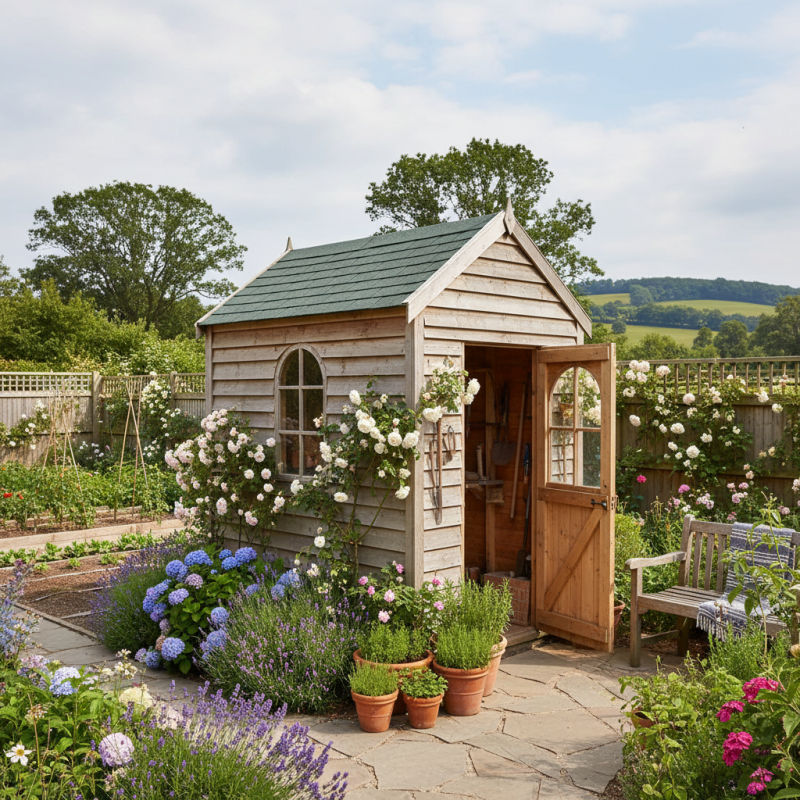
How to Choose the Best Garden Shed for Your Needs?

Identifying Your Garden Storage Needs and Requirements

When it comes to choosing a garden shed, assessing your storage needs is vital. Consider what items you plan to store. Are you keeping pots, tools, or garden furniture? Take an inventory of your garden supplies. Make a list to visualize your requirements.

Space plays a crucial role. Measure your yard area before rushing into a decision. A large shed may seem appealing, but it could overwhelm a small garden. Conversely, an undersized shed could mean future headaches. Think about accessibility. Is there room for the door to open wide? Will you need to maneuver equipment around?

Don't overlook the shed's material. Wood offers aesthetic charm but requires maintenance. Metal sheds are durable but might not blend in well with your landscape. Plastic is lightweight and low maintenance, but check sturdiness. Align your choice with your lifestyle. Reflect on your long-term gardening goals. Will your storage needs change over time? Addressing these questions will help clarify your vision.

Assessing Available Space for Your Garden Shed

When assessing the available space for your garden shed, start by measuring your yard. The size of your garden directly impacts the shed dimensions. A small garden might only accommodate a compact shed of around 4x6 feet. In contrast, larger spaces can handle more expansive structures, ideally 10x12 feet or bigger. According to data from the National Association of Landscape Professionals, over 30% of gardeners report using their sheds for both storage and workspace, emphasizing the importance of selecting the right size.

Take into account local regulations. Many areas enforce size restrictions to preserve aesthetics and harmony. This can limit options for larger sheds, which typically exceed the average dimensions. Additionally, consider accessibility. A shed needs to be reachable without obstruction. Clear paths of at least 3 feet wide around the structure are usually recommended by landscaping experts. This allows for easy entrance and maintenance.

Reflecting on storage needs is essential. Users often find themselves adjusting their requirements after a shed is built. Establishing whether you primarily need space for tools, equipment, or hobbies will guide your decision. Keep in mind that nearly 40% of shed owners wish they had chosen larger models after settling in. Always visualize how you will use the space. This foresight can help prevent dissatisfaction post-purchase.

How to Choose the Best Garden Shed for Your Needs? - Assessing Available Space for Your Garden Shed

Dimension Measurement Suitable Size Shed Purpose
Length 10 ft 8x10 ft Shed Garden Tools Storage
Width 6 ft 8x6 ft Shed Bicycles Storage
Height 7 ft 10x7 ft Shed Potting Shed
Area 60 sq ft 10x6 ft Shed Gardening Supplies
Volume 420 cu ft 10x7 ft Shed Outdoor Equipment

Choosing the Right Materials for Durability and Aesthetics

When choosing materials for your garden shed, durability is key. According to a recent industry report by the National Association of Landscape Professionals, wood remains a popular choice, accounting for over 45% of garden sheds sold. However, wood requires regular maintenance to prevent rot. This can be a burden for some homeowners who prefer low-maintenance options.

Metal sheds, on the other hand, offer great durability and resistance to pests. A survey from the Shed Industry Association indicates that metal sheds have a lifespan of up to 20 years with minimal upkeep. However, they can lack the aesthetic appeal that some desire. Color options may be limited, making it challenging to match the shed with existing structures.

Plastic or resin sheds are gaining popularity due to their lightweight nature and weather resistance. They constitute about 30% of the garden shed market. While they are low-maintenance, they may not provide the structural strength of wood or metal. This brings up questions about long-term value. Choosing the right material should reflect both practical needs and personal style.
Balancing durability and aesthetics may reveal trade-offs that require careful consideration.

Evaluating Shed Designs and Features for Functionality

Choosing the right garden shed requires careful evaluation of its design and features. Start by considering the intended purpose. Will it store gardening tools, serve as a workspace, or function as a play area? Each purpose may dictate different design needs. For instance, a workspace might benefit from windows for natural light.

Tip: Measure your available space accurately. This will help you avoid a shed that feels cramped. A well-planned layout can enhance functionality. Take into account ventilation and access too. These elements are often overlooked but are crucial for maintaining a comfortable environment inside the shed.

Evaluate the materials used in the shed's construction. Wood, metal, and plastic each offer unique benefits. Wooden sheds can be more aesthetically pleasing but require maintenance. Metal sheds are durable but may not provide the same level of insulation. Plastic sheds are lightweight but may lack sturdiness.

Tip: Research local regulations regarding shed construction. You may need a permit or specific building guidelines. This may influence your design choice significantly. Always think about future needs too. A shed should be adaptable as your gardening projects evolve.

Comparison of Popular Garden Shed Features

Budgeting for Your Garden Shed Purchase and Installation

When budgeting for your garden shed, start with the estimated costs. A basic wooden shed can range from $1,000 to $3,000. According to industry reports, you may spend another 20% on installation. DIY options lower your costs but require time and skills.

Consider additional expenses. Site preparation, like leveling the ground, may add $200 to $500. You'll also need to factor in permits, which vary by location. In some areas, homeowners pay up to $200 for necessary permits. These details matter for your overall budget.

Don't forget about long-term maintenance. Annual upkeep can cost around 5% of the original price. Investing in quality materials up front often means lower maintenance later. Think about how much you're willing to invest now versus saving in the long run. Balancing these factors will help you create a realistic budget.

FAQS

: How do I measure the space for my garden shed?

: Start by measuring your yard accurately. Consider both width and length for the best fit.

What size shed can I fit in a small garden?

A small garden can typically accommodate a compact shed of about 4x6 feet.

Are there regulations I should consider when choosing a shed size?

Yes, local regulations may enforce size limits to ensure aesthetics. Check your area's rules.

How wide should access paths around a shed be?

Ensure clear paths of at least 3 feet wide for easy entrance and maintenance around the shed.

What storage needs should I assess before building a shed?

Reflect on whether you need space for tools, equipment, or hobbies. This will guide your choice.

What is a common regret among shed owners?

Nearly 40% of shed owners wish they had chosen larger models after using their sheds for a while.

What is the typical cost of a basic wooden shed?

A basic wooden shed can range from $1,000 to $3,000, depending on its size and materials.

How much should I budget for installation?

You might spend an additional 20% on installation costs if you choose not to DIY.

What hidden expenses should I consider?

Factor in site preparation, which may cost $200 to $500, and potential permit fees based on your location.

How much might annual maintenance cost for a shed?

Plan for around 5% of the original price for yearly maintenance. Investing in quality materials can lower this.

Conclusion

Choosing the best garden shed involves a thorough understanding of your storage needs and space constraints. Start by identifying what items you plan to store and how much space is available in your garden. This will guide you in selecting a shed size that fits seamlessly into your outdoor area.

Once you have a clear vision of your requirements, consider the materials that will ensure durability and complement your garden aesthetics. Evaluate different designs and features that enhance functionality, such as shelving or windows. Lastly, budget for not only the purchase of the shed but also its installation to avoid unexpected expenses. By following these steps, you can find the perfect garden shed that meets both your practical needs and style preferences.

Oliver

Oliver

Oliver is a seasoned marketing professional with a wealth of expertise in driving brand awareness and engagement. With a deep understanding of our company's product offerings, he consistently delivers high-quality content that enriches our professional blog. His insights not only shed light on......