 Domi
A family camping trip begins with a simple question: where will everyone sleep? Family Camping Tents are designed to give groups shared shelter, room for sleeping bags, and space for essential gear. Yet “family-sized” does not mean comfortable for every family. A tent that fits four people on its label may feel crowded once muddy boots, backpacks, and a restless child arrive. Measure your sleeping pads, too.
For this draft, the named expert voice below is illustrative, not a verified real person or published quotation: outdoor-gear specialist Maya Chen says, “Choose a tent for the space your family needs, not just the number on the box.” Treat that as a useful principle, not an independently sourced endorsement. Compare floor dimensions, peak height, door placement, ventilation, packed weight, and setup time. Imagine a rainy evening: can one adult pitch the tent while another keeps the children and dry clothes sheltered? Small details matter. A wide door can ease nighttime trips; mesh panels can help manage condensation; a covered vestibule can keep wet shoes outside the sleeping area.
There is no perfect tent. A taller model may feel roomier but catch more wind, while a lighter one may sacrifice comfort or storage. Think honestly about your car space, campsite conditions, and how often you will camp. A little compromise is normal. The sections ahead explain what these tents offer and how to choose one that suits your family, rather than an idealized trip.
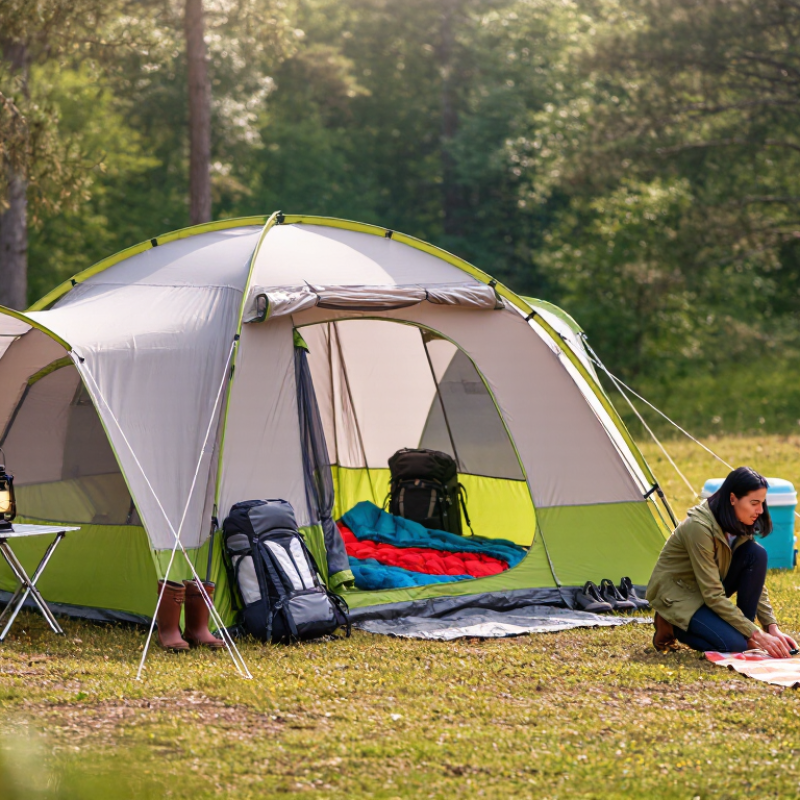
A family camping tent is not defined by one universal size or shape. It is a shelter designed to hold several people and their shared gear during outdoor stays. In practice, that means more than counting sleeping spaces: a tent should provide room to sit, change clothes, and keep bags away from the sleeping area. A low-cost way to assess fit is to imagine everyone lying side by side, then allow extra floor space for comfort. Capacity labels can feel optimistic.
The 2024 North American Camping Report estimated that 58 million U.S. households camped at least once in 2023. That broad participation makes clear why “family tent” covers many needs, from short summer weekends to longer trips with children. Look for adequate peak height, usable floor dimensions, strong rain protection, and ventilation that helps limit condensation. A vestibule can keep muddy shoes outside the sleeping area. Small details matter.
A family tent’s defining feature is livable shared space, not simply a high person-count rating. Check whether the floor plan fits your sleeping pads, since pad widths vary. Also consider setup: a large tent can be awkward in wind or on uneven ground. Weather resistance depends on construction and care, not just a waterproof rating. There is no perfect layout for every family. Test the packed weight against how far you must carry it.
| Dimension | What Defines It | How to Choose |
|---|---|---|
| Sleeping capacity | A family tent is designed to accommodate several people, often with room for sleeping bags and some personal gear. | Check the stated capacity, then allow extra space if you want room for luggage, children, or a more comfortable sleeping layout. Capacity ratings do not always include much storage space. |
| Floor area | The floor area determines how much usable space is available for sleeping and moving around. | Compare the floor dimensions with your sleeping pads or air mattresses. A larger floor area can improve comfort but usually means a heavier, bulkier tent. |
| Interior height | Many family tents have enough headroom for sitting or standing, depending on their design. | Look at the peak height and the shape of the walls. A high center point may provide standing room in one area, while steep or vertical walls can make more of the floor usable. |
| Layout and rooms | Some models use one open sleeping area; others include dividers or separate rooms for privacy. | Choose an open layout for shared space and simpler setup, or a divided layout if family members want separate sleeping areas. Check whether dividers are included or optional. |
| Weather protection | A rainfly, sealed seams, a bathtub-style floor, and well-designed doors help protect the interior from rain and ground moisture. | Check how much of the tent the rainfly covers and whether the floor and seams are designed for wet conditions. Ventilation and correct pitching also help limit condensation. |
| Ventilation | Mesh panels, windows, and adjustable vents allow airflow and can help reduce condensation. | Look for openings that can be adjusted while keeping rain protection in place. Consider how doors and windows can be positioned for airflow at your campsite. |
| Doors and access | Door count and placement affect how easily people enter, exit, and reach their sleeping spaces. | For larger groups, consider whether multiple doors will reduce disturbance during nighttime trips. Check that doors have practical closures and vestibule coverage where needed. |
| Vestibule and storage | A vestibule is a covered area outside the inner sleeping space, often used for footwear or gear. | Consider the amount of equipment your family brings. A vestibule can keep muddy shoes and wet items out of the sleeping area, but it adds packed size and may require additional setup space. |
| Setup and structure | Pole design, color-coded components, and attachment points affect how straightforward a tent is to pitch. | Check the packed instructions and practice setting it up before your trip. A larger tent may be easier to pitch with two people, particularly in wind or poor weather. |
| Weight and packed size | Family tents are generally better suited to car camping than to trips where all equipment must be carried over long distances. | Compare packed weight and dimensions with your vehicle and storage space. For walk-in campsites, prioritize a manageable load and check whether the tent can be divided between carriers. |
| Site and trip type | The best tent depends on the campsite, season, expected weather, and length of the trip. | For established campsites, prioritize comfort and storage. For exposed or colder conditions, check the tent’s intended use, pitching requirements, and weather-protection features before buying. |
Practical rule: Choose a tent based on the space your family needs, the conditions you expect, and how you will transport it—not capacity alone. Always follow the manufacturer’s setup and care instructions.
Dome tents handle wind well, but sloping walls can make edge sleeping awkward. Cabin tents offer straighter walls, though their taller sides may catch gusts. Tunnel tents need a longer campsite.
Not always. Four sleeping pads may fit, but leave little room for packs or muddy shoes. Check the floor dimensions and sketch your gear placement.
A divider can separate sleeping areas, and two doors reduce climbing over others. A vestibule gives wet boots and jackets a place outside. Small detail, big difference.
Polyester dries quickly and resists UV exposure. Nylon is often lighter but can stretch when wet. Canvas feels breathable, though it needs thorough drying to limit mildew.
No. It measures resistance to water pressure, not performance through hours of wind-driven rain. Check rainfly coverage, sealed seams, and the bathtub-style floor too.
Use mesh panels for airflow while keeping sleeping areas sheltered from rain. Four people breathing in a closed tent can leave sleeping bags damp by morning. Easy to underestimate.
Compare the site’s usable dimensions with the full setup footprint, including vestibules and guy lines. Keep doors clear and leave room for cooking away from the tent.
More floor space can help children move or change clothes, but extra fabric and height may add weight and catch wind. I might choose more room, then regret the harder pitch.
Family Camping Tents are designed to give families a shared, practical shelter for sleeping, relaxing, and storing essential gear while camping. They come in different shapes and layouts, from straightforward open interiors to designs with separate rooms or vestibules. Capacity matters, but the number of sleeping spaces is only part of the decision: families should also consider room for bags, changing clothes, and moving comfortably inside.
Materials and features influence ventilation, durability, and protection from rain and wind. When choosing a tent, match its usable space to your family’s needs and check that it will fit the available campsite. Also consider how often you camp, the conditions you expect, and how much you want to spend. Balancing size, comfort, weather protection, setup, and budget can help you find a tent that suits both your camping style and the people sharing it.
