
Domi
Choosing a Canvas Tent is not simply a question of size or price. It means weighing shelter against weather, campsite, group size, and how you travel. KOA’s 2024 North American Camping & Outdoor Hospitality Report found that 58 million U.S. households camped in 2023, underscoring how many people rely on gear that must work beyond a single weekend. Still, a broad participation figure cannot tell you which tent suits your trip.
A useful gear principle comes from Yvon Chouinard, Patagonia’s founder: “The more you know, the less you need.” It is not a quote specifically about canvas tents, but it fits the choice: understand the fabric, frame, ventilation, weight, and care before buying. Picture a damp morning, muddy boots at the door, and condensation beading near the roof. Details like a vent placement or a groundsheet can matter more than a glossy product photo.
This guide compares practical features, including canvas weight, seam construction, setup demands, and seasonal comfort. It also considers trade-offs. Canvas can feel sturdy and breathable, yet it is often heavier and needs thorough drying before storage. There is no perfect tent. A roomy model may be a burden on a long carry, while a compact one can feel cramped after hours of rain. Use the advice alongside manufacturer specifications, and check that claims match the tent you are considering.
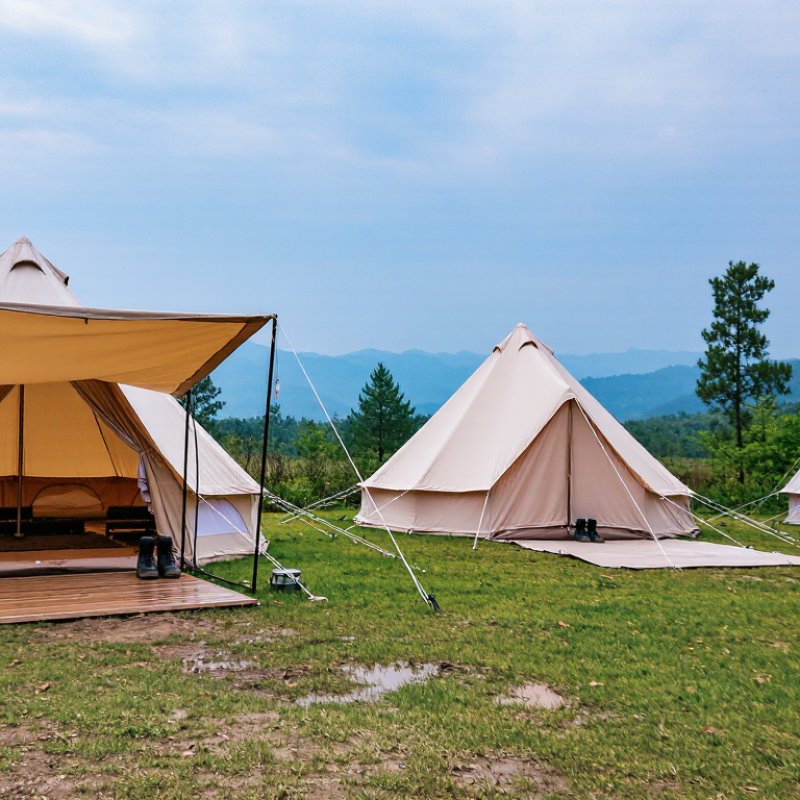
Start with the place and season, not the tent’s advertised capacity. A breezy coastal site needs secure anchoring and a shape that sheds gusts. In wooded camps, low branches and uneven ground may matter more than floor area. Wind changes everything.
Think through likely rain, temperature swings, and how long the tent must stay pitched. Canvas can feel comfortable across changing conditions, but it is heavy and takes time to dry. If you often pack up in wet weather, plan for drying it fully at home. A damp tent stored away can develop mildew. That matters.
Match the shelter to the people and equipment inside. Two sleepers with bulky packs may need more room than a tent labeled for two. Check door placement, headroom, ventilation, and whether the groundsheet suits your terrain. For frequent walks between camps, weight may outweigh extra space; for a drive-in site, comfort may win. Check the tent’s stated limits for wind and snow rather than assuming canvas handles every storm. I have found that “all-season” can sound more certain than real weather is. Leave some margin for changing conditions.
Canvas type affects breathability, drying time, and care. Cotton canvas usually feels supple and handles condensation well, but it can absorb rain and take longer to dry. Polycotton blends often dry faster and weigh less, though their airflow and feel depend on the weave and coating. Ask for the fabric’s composition and water-resistance details; “canvas” alone tells you little. That distinction matters.
Fabric weight, often listed in grams per square metre, offers a useful comparison, not a quality guarantee. Heavier canvas may resist abrasion and feel steadier in wind, but it adds load when packed and can be harder to pitch. Check whether a stated weight includes coatings or treatments. Specifications are not always presented consistently. Feel the fabric, if possible, and compare samples under similar conditions.
Construction can make a lighter tent more dependable than a heavier one. Inspect seam spacing, reinforced corners, zipper attachments, and stress points around guy lines. Look for clear seam-sealing guidance and a floor material suited to damp ground. Poles should fit their sleeves without forcing, and door closures should move smoothly. Small details count. A neat sample does not prove every tent is equally finished, so check return terms and care instructions before choosing. I would not choose by weight alone; that shortcut is tempting, and sometimes wrong.
A canvas tent should fit the way your group actually sleeps, not just the number printed on its capacity label. Measure your sleeping pads and compare their combined width with the tent’s floor dimensions. Leave room for bags, boots, and a clear path to the door. Tight on paper? It will feel tighter at midnight.
For a family or group of friends, sketch the layout before choosing a size. Place pads where people can enter and exit without climbing over one another. A central aisle helps, especially when someone needs to get outside in the rain. If you store gear inside, allow extra floor space; canvas walls can slope inward, reducing usable room near the edges. A covered porch or vestibule can keep muddy footwear outside the sleeping area.
Capacity labels rarely account for everyone’s habits. One person may need space for a wide pad, while another keeps a duffel close at hand. Check the tent’s peak height and door positions, too. Standing room matters when changing clothes, but headroom alone does not make a comfortable layout. If possible, mark the floor dimensions at home and arrange your pads. It is a slightly fussy step, but it can reveal an awkward fit before the trip.
When choosing a canvas tent, look beyond the fabric and assess the whole weather system. Canvas can resist rain, but performance depends on treatment, seams, and sound construction. Check whether the tent needs water seasoning before its first trip, and follow its care instructions. Inspect seams and door closures for gaps. Small details matter.
Ventilation helps limit condensation, especially when several people sleep inside. Look for roof vents, windows, or openings that allow air to move through without exposing the sleeping area to direct rain. On a damp morning, breathable fabric alone may not prevent moisture from forming on cool surfaces. Keep bedding away from tent walls, and avoid blocking vents with bags. I used to focus too much on waterproofing; airflow deserves equal attention.
Setup needs can shape where and how you camp. A large canvas tent may require several people, sturdy stakes, and more time than a lightweight shelter. Check the packed weight and pole system before buying, then consider whether your vehicle and campsite can accommodate them. Choose level ground with good drainage, rather than a low spot that collects runoff. Practice pitching the tent at home. Dry it fully before storage; folded canvas can develop mildew if left damp.
| Tent Style | Typical Capacity | Weather Protection | Ventilation | Setup Needs | Best For |
|---|---|---|---|---|---|
| Bell Tent | About 2–10 people, depending on diameter and layout | Sloping walls shed rain reasonably well when the tent is correctly pitched and seams are in good condition. A central pole and secure guy lines are important in wind. | Often has a roof vent and a large doorway. Opening the door and vents helps reduce condensation, but screens and weather conditions affect airflow. | Requires a central pole, stakes, and multiple guy lines. A larger model needs more pitching space and is easier to set up with two people. | Base camps, family trips, and campers who value interior space over a compact pack size. |
| Wall Tent | About 4–12 people, depending on floor size | Near-vertical walls provide generous headroom but can catch wind. A strong frame, well-anchored stakes, and a taut pitch are especially important in exposed conditions. | Ventilation varies by design; doors, windows, and optional stove openings can help. Keep openings clear and follow safe stove-use guidance. | Typically needs a separate frame or poles, stakes, and a larger, level campsite. Setup is generally more involved than with a small backpacking tent. | Longer stays, group camping, and established campsites where weight and pack size matter less. |
| Canvas Cabin Tent | About 4–12 people, depending on model and room layout | Steep walls create usable interior space, but a broad, boxy shape can be more exposed to strong wind. Check the frame and anchoring system for the conditions you expect. | Large windows and doors can provide cross-ventilation when opened. Mesh panels help keep insects out while allowing airflow. | Frame assembly and staking usually take more time than pitching a simple small tent. Allow adequate room for the footprint and guy lines. | Car camping and family trips where standing room and separate sleeping areas are priorities. |
| Wedge-Style Canvas Tent | Usually 1–4 people, depending on design | The sloping profile can shed rain effectively when pitched tightly. Wind protection depends on orientation, anchoring, and the tent’s specific construction. | Airflow may be more limited than in tents with multiple large windows. Use available vents and avoid blocking them with bedding or gear. | Usually a simpler pole layout than larger canvas shelters, but heavier fabric can still make packing and pitching more demanding than lightweight synthetic tents. | Small groups seeking a simple, durable shelter for car camping or short trips. |
| Any Canvas Tent in Wet Weather | Choose capacity based on occupants, gear, and trip length | Look for a suitable rainfly or treated fabric, sound seams, a bathtub-style groundsheet where provided, and guidance on seam care. Keep the tent taut and prevent water from pooling around it. | Maintain airflow even during rain by using covered vents or sheltered openings where available. Avoid touching the fabric from inside, as contact can encourage water to pass through. | Practice pitching before the trip. Pack the tent dry when possible; dry it thoroughly afterward to reduce the risk of mildew. | Campers who expect persistent rain and want to check construction, care requirements, and ventilation before buying. |
Selection tip: Canvas fabric is breathable, but it is heavier and usually takes longer to dry than many synthetic tent fabrics. Waterproofing, seam construction, care, pitching, and weather exposure all affect performance; check the manufacturer’s care and setup instructions for the specific tent.
Canvas tents need more care than many synthetic shelters. After a damp trip, dry the tent fully before storage, including seams and floor corners. Brush off dust with a soft brush; use mild soap only when needed. Skip harsh cleaners, which can weaken treatments. It takes time. And space.
Durability depends on fabric weight, stitching, and how the tent is pitched. Heavier canvas often resists abrasion well, but it adds pack weight and can hold moisture longer. Check seams, zippers, and guy-out points before buying. Reinforced stress points matter when wind pulls the fabric. Still, no tent is immune to poor setup or sharp branches. That detail is easy to overlook.
Compare total cost, not just the price on the tag. A well-built canvas tent may cost more upfront, while repairs and long service can make the expense reasonable over time. But “long-lasting” is not guaranteed; storage habits and weather exposure change the outcome. Ask whether replacement parts are available and whether routine reproofing is required. If you camp only a few weekends each year, the added upkeep may not feel worthwhile. For frequent, stationary trips, the trade-off can make more sense.
Usually not. Cotton feels supple and handles condensation, but it can absorb rain and dry slowly. Polycotton often dries faster.
No. It may resist abrasion and feel steadier in wind, but it adds packed weight. Fabric weight alone can mislead.
Check reinforced corners, even seams, zipper attachments, and guy-line stress points. Make sure poles slide into their sleeves without force.
Ask about fabric composition and water resistance. Check whether the listed weight includes coatings or treatments. The label “canvas” is not enough.
Yes. Damp mornings can leave moisture on cool surfaces. Keep bedding away from walls and avoid blocking roof vents or windows.
Look for vents or windows that move air while shielding the sleeping area. Airflow matters. Waterproofing alone is not the whole answer.
Check packed weight, pole design, and how many people setup may require. Practice pitching it at home, and choose level ground with good drainage.
Dry it fully before folding and storing. Damp canvas can develop mildew. I once focused too much on waterproofing; airflow deserved more thought.
Choosing the best Canvas Tent begins with understanding where and how you plan to camp. Consider the climate, terrain, length of your trips, and the amount of space you need for people and gear. Compare canvas materials by weight, weave, and construction quality, since these affect portability, comfort, and long-term performance. Then select a size and layout that suit your group while leaving enough room to move and store equipment.
Look closely at weather protection, ventilation, and how easily the tent can be pitched in your usual conditions. A well-designed balance of airflow and shelter can make camping more comfortable across changing weather. Finally, weigh the care required to keep the canvas in good condition against its expected durability and overall cost. The right Canvas Tent is one that fits your camping habits, offers practical protection, and remains manageable to maintain over time.