
Domi
Choosing a Folding Camping Table is not just about finding a flat surface. It is about matching weight, packed size, stability, and setup time to the way you camp. A compact table may fit beside a tent door, yet feel cramped when two people prepare dinner. A larger model offers room for a stove and plates, but can crowd a small campsite. Little details matter. Check the leg locks, tabletop joints, and feet before trusting a table with hot drinks or meal preparation.
As an illustrative expert voice—not a real or published quotation—outdoor-gear specialist “Maya Chen” offers this reminder: “The best table is the one that stays steady on your campsite and still feels easy to carry home.” Treat that as a useful test, not a universal rule. A sandy beach, uneven forest ground, and a paved campsite place different demands on a frame. Look for clear product dimensions, stated load capacity, durable materials, and a design you can operate without wrestling with it. Reviews can help, but they do not replace checking the specifications. And yes, even a clever folding design can pinch fingers or wobble if assembled carelessly. This guide will help you compare practical features, spot trade-offs, and choose a Folding Camping Table that suits your trips—not just the product photos.
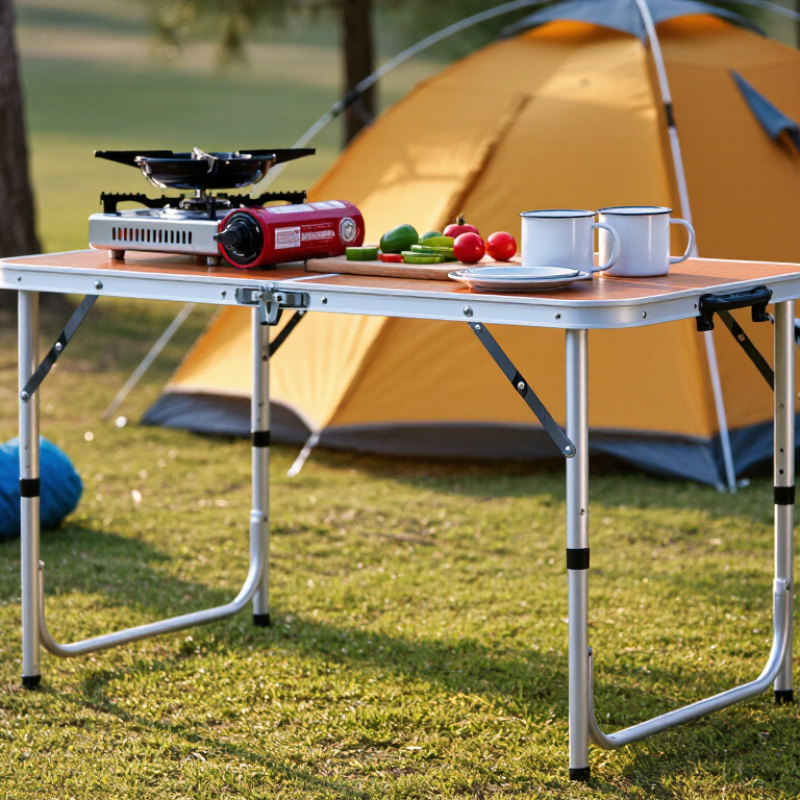
Folding camping tables serve different jobs, and the best type depends on what you carry and where you camp. A lightweight aluminum roll-top table packs small and suits hikers or compact campsites. Its slatted surface may wobble slightly on uneven ground. A rigid folding table, often made with a solid top, offers a steadier place for meal preparation and larger cookware. It takes more space in a vehicle, though. I’ve found that a small side table can be more useful than expected beside a camp chair, especially for a lantern, mug, and book.
Tips: Check the packed size, leg locks, and stated weight limit before buying. On soft ground, spread the legs carefully and test the table before setting down hot food. Small details matter.
For family meals, choose a wider model with enough room for plates and a shared serving dish. Adjustable legs help on sloped campsites, but they add moving parts that need checking. A compact table with mesh storage can keep utensils off the ground; still, the shelf may sag under heavy items. Think about your usual setup, not just the advertised surface area. A table that fits your camp routine is easier to use than one with features you rarely need.
A folding camping table should fit the way you actually camp, not just look spacious in a product photo. For two people making coffee and preparing simple meals, a compact tabletop may be enough. A family serving dinner needs more room for plates, a stove, and elbows. Measure the packed space in your vehicle, too. A table that fits the campsite but blocks the hatch can become a daily annoyance.
Check both the tabletop dimensions and the weight capacity. Capacity figures often describe evenly distributed weight, not a heavy cooler resting on one corner. Think about what you will place on it: a full water jug, cookware, or a small portable stove can add up quickly. Leave a margin rather than choosing a table that barely meets your expected load. Steady matters.
Weight is a trade-off. A lighter table is easier to carry from the car to a distant campsite, while a sturdier frame may feel more secure on uneven ground. If possible, check how the legs lock and whether the feet sit firmly on dirt or gravel. I once focused too much on the listed capacity and too little on leg stability; the table held the load, but wobbled when someone leaned on it. Test the setup at home, with a few items on top, before relying on it outdoors.
These representative examples show the trade-off between portability and usable space: compact tables are lighter, while larger tables typically offer more surface area and higher load ratings. Check the manufacturer’s stated capacity for the specific table, and choose one that comfortably supports your expected gear and cookware.
A good folding camping table should match the meals and gear you actually use. Aluminum tabletops are light and dry quickly, but thin panels may flex under a heavy stove or water jug. Plastic tops resist spills and are easy to wipe clean; however, they can feel less rigid in cold weather. Slatted tops drain rain well, though crumbs can collect in the gaps. Check the stated weight capacity, and remember that it usually assumes the load is spread evenly.
The frame matters as much as the tabletop. Aluminum legs keep the table portable, while steel frames often feel sturdier but add weight. Look for locking braces and joints that open fully without wobbling. On gravel or soft ground, adjustable feet can help level the surface. Still, no folding table can compensate for a badly chosen spot. I’ve found that a small slope makes cups slide sooner than expected.
Tips: Set the table on firm, level ground and press each corner before loading it. Place heavier items near the center, not on one edge. For a quick stability check, gently push down on the corners; if the frame shifts or a latch slips, adjust it before setting out food.
A folding camping table should feel manageable before it ever reaches the campsite. Check its packed dimensions and weight, then picture carrying it from the car across gravel or soft ground. A compact table may fit easily in a trunk but offer little room for a stove and two plates. Measure your usual storage space, too. Small details matter.
The folding mechanism affects both transport and setup. Look for hinges that move smoothly and legs that lock firmly without needing excessive force. If possible, open and close the table several times before buying; a mechanism that catches in a shop may be more frustrating with cold fingers outdoors. Check whether the legs fold flat and whether a latch keeps them from swinging during carrying. A carry handle helps, but only if it sits comfortably in your hand. Not every handle does.
Setup should be simple enough to manage on uneven ground. Place the table on a firm surface, extend each leg fully, and check for wobble before setting down hot cookware. Adjustable feet can help on sloped terrain, though they add parts that may loosen or get lost. I would not assume a larger tabletop is always better; extra surface area can mean more weight and a bulkier folded shape. Test the packed size against your actual gear. That comparison is easy to skip, and sometimes worth rethinking.
A folding camping table should fit the way you camp, not just look sturdy in a shop. For solo coffee stops, a compact table with a simple locking frame may be enough. Family meals call for more surface area, but check the packed dimensions before buying. A wide tabletop is less useful if it barely fits beside your tent. Measure your usual storage space, too.
Match materials and features to real conditions. Aluminum is light and resists rust, while a steel frame may feel steadier but weigh more. If you cook outdoors, a heat-resistant surface helps, though it does not make every table safe for hot cookware. Check the stated load limit and keep weight spread across the top. Small feet can sink into soft ground. Annoying, but fixable with broad pads or a flat board.
Price often reflects weight, hinges, and finish—not necessarily comfort. A budget model can serve occasional weekend trips; frequent campers may value stronger joints and easier setup. Try opening and folding the table if possible. Pinched fingers are a small risk, yet a real nuisance. I would not pay extra for features I cannot name a use for. Still, that judgment can change after a windy meal or one uneven campsite.
Aluminum is light and dries quickly, but thin panels may flex. Plastic wipes clean, though it can feel less rigid in cold weather. Slatted tops drain rain, but crumbs can collect between the gaps.
It gives a useful limit, but usually assumes weight is spread evenly. Keep heavy items near the center. A water jug at one edge may make the table feel unstable.
Aluminum legs are easier to carry. Steel frames often feel sturdier but weigh more. The better choice depends on your trip—and how far you carry your gear.
Use adjustable feet on gravel or soft ground, and place the table on firm, level ground when possible. Broad pads or a flat board can help feet avoid sinking. Small fixes matter.
Press each corner, then gently push down to check for shifting or loose latches. Adjust the frame if it moves. A slight slope can send cups sliding sooner than expected.
A compact table may suit a solo coffee stop. Family meals need more surface area, but check packed dimensions and measure your storage space. A wide top is no help if it will not fit beside your tent.
No. Heat resistance does not make every surface safe for hot cookware. Check the table’s guidance and avoid assuming that one feature covers every cooking situation.
Not necessarily. Price may reflect weight, hinges, or finish rather than comfort. A budget model may work for occasional trips, while frequent campers may value stronger joints and easier setup. I’d still test the folding action if possible.
Choosing the best Folding Camping Table starts with understanding how and where you plan to use it. Compact side tables suit solo trips and quick meals, while larger dining or utility tables offer more room for group cooking, games, and shared gear. Compare the table’s dimensions and weight capacity with the number of people and items it must support, leaving enough space for comfortable use without making transport difficult.
Consider how the tabletop material and frame affect durability, weight, and stability on uneven ground. A secure folding mechanism and straightforward setup can save time at camp, while a carrying handle or compact folded shape makes travel easier. Finally, match useful features and construction quality to your budget and camping habits. A well-chosen table balances stability, portability, capacity, and price, so it serves your needs without adding unnecessary bulk.
