
Domi
Choosing the right inflatable tent can transform your camping experience. With numerous options available, finding the ideal one requires thoughtful consideration. An inflatable tent provides convenience, quick setup, and ease of transportation. It's essential to assess your specific needs.
Consider the size, weight, and durability of the tent. An inflatable tent should cater to your group size and intended use. Look for strong materials that can withstand harsh weather conditions. Remember, a sturdy inflatable tent can make all the difference during unexpected storms.
While many inflatable tents promise great features, not all deliver. Some may lack stability or have issues with air retention. Research user reviews and expert opinions to ensure reliability. Balancing between features and budget can be challenging. Make informed choices to find the best inflatable tent for your adventures.
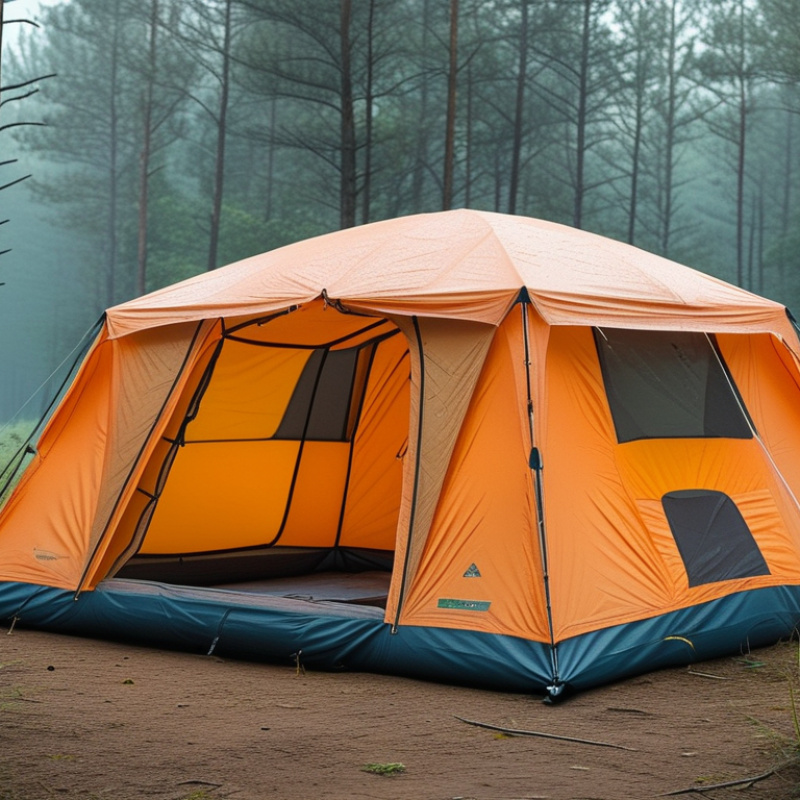
Inflatable tents have gained popularity for their convenience and ease of setup. These structures utilize air rather than traditional poles, making them lightweight and compact. This design feature is pivotal for those who travel frequently or engage in outdoor adventures. A strong focus on materials is essential when selecting an inflatable tent. Durable fabrics ensure longevity and resistance to weather elements. The choice between nylon and polyester can significantly impact weight and durability.
Ventilation plays a key role in comfort during use. Many inflatable tents offer multiple vents or windows, reducing condensation and improving airflow. It's crucial to check the tent's breathability. Look for models with additional mesh options for bug protection without sacrificing air circulation. Despite the benefits, some inflatable tents take longer to inflate than expected. Users may need to assess the required time for setup against their specific needs.
Weather resistance is another factor worth examining. A good inflatable tent should withstand rain and wind while maintaining stability. Some designs might falter in extreme conditions, leading to discomfort. Researching customer reviews can reveal valuable insights and experiences. A tent's interior space is often a point of contention. Ensuring enough room for your group will enhance your camping experience, but some inflatable models feel cramped. Weighing these considerations will guide you toward a suitable choice for your next adventure.
When selecting an inflatable tent, understanding your camping needs is crucial. You need to assess the number of people who will sleep in the tent. For solo adventurers, a two-person tent may suffice. However, families or groups often benefit from larger models. Recent industry data shows that around 70% of campers prefer tents that can comfortably accommodate four or more individuals. This indicates a growing demand for spacious options.
The style of the tent is just as important as the size. Choosing between a dome, tunnel, or geodesic design can influence your camping experience significantly. Dome tents are popular due to their lightweight and aerodynamic shape, making them a great choice for windy conditions. The National Park Service reports that tents with a smaller footprint are often easier to set up and take down.
Consider the environment where you will camp. If you’re heading to a region with unpredictable weather, opt for a tent with robust waterproofing features. It’s estimated that nearly 35% of campers encounter rain during their trips. This factor makes investing in a reliable inflatable tent essential. Reflecting on past experiences, many campers realize they chose a tent that was impractical for their needs, leading to discomfort and frustration.
When selecting an inflatable tent, material is key. The right fabric influences durability and weather resistance. Look for options made from synthetic materials, often designed to withstand harsh conditions. These can be lighter yet stronger. Robust fabric ensures longevity. It should resist tears and abrasions. However, even the best materials can fail if not properly cared for.
Consider the tent's resistance to water and UV rays. Water-resistant coatings add extra protection. UV resistance helps prevent fading and fabric degradation over time. Think about the climate you will encounter. In humid conditions, choose a breathable fabric to reduce condensation inside the tent. Heavy winds require sturdier materials to withstand gusts without collapsing.
Not every tent performs flawlessly in every situation. Take note of user reviews. Sometimes, tents marketed as durable do not hold up in real-world tests. Researching experiences shared by other campers can guide your decision. Maintaining your tent is equally important. Regular cleaning and proper storage extend its life. Even high-quality tents need care and attention to detail.
When it comes to inflatable tents, ease of setup significantly affects your camping experience. Research indicates that 35% of campers prioritize quick assembly times when purchasing a tent. Look for tents that utilize innovative inflation methods. Some designs use a built-in pump, allowing for effortless inflation. Others may require manual air filling, which can be tiring after a long day. Selecting a tent with a straightforward setup helps you spend more time enjoying your environment.
Portability is another vital factor. A lightweight inflatable tent can greatly enhance your camping experience, especially during hikes. Certain models weigh less than 5 kg, making them ideal for backpackers. However, be wary of overly compact designs. They may compromise durability and weather resistance. Pay attention to the materials used in these tents; high-quality fabrics offer better longevity and weatherproofing.
Choosing the right inflatable tent requires careful consideration. Evaluate the inflation methods that best fit your needs. Consider how much you will move the tent to ensure the best balance between portability and stability. Understanding your specific camping demands will lead to a satisfying purchase. Aim for a tent that matches your outdoor lifestyle to ensure memorable adventures.
When budgeting for an inflatable tent, it's crucial to compare prices thoroughly. Prices can vary widely based on features, size, and materials. Some models may appear affordable but could lack durability. Look beyond the initial cost to evaluate long-term value. The cheapest tent may save money upfront but could lead to expensive replacements later.
Consider the tent's intended use. If you're planning frequent camping trips, investing in a mid-range option might be wise. Such tents often offer better materials and design, providing reliability. Alternatively, for occasional outings, a budget option may suffice. However, ensure it meets your needs for space and weather protection.
Read customer reviews to gauge reliability. Many tents don’t perform well in adverse conditions, despite their attractive price. Pay attention to experiences shared by other users. Their insights can highlight potential issues. Don't overlook warranty options, as they indicate the manufacturer’s confidence in their product. A well-chosen inflatable tent can enhance your outdoor experience, but make informed decisions to avoid regrets.
| Tent Type | Capacity | Price Range | Weight | Setup Time |
|---|---|---|---|---|
| 2-Person Inflatable Tent | 2 | $150 - $250 | 3 lbs | 5 minutes |
| 4-Person Inflatable Tent | 4 | $200 - $350 | 5 lbs | 10 minutes |
| 6-Person Inflatable Tent | 6 | $300 - $500 | 7 lbs | 15 minutes |
| Family Inflatable Tent | 8 | $400 - $700 | 10 lbs | 20 minutes |
| Luxury Inflatable Tent | 4 | $500 - $900 | 8 lbs | 12 minutes |
: Inflatable tents are lightweight and easy to set up. They utilize air for support, enhancing portability.
Look for durable synthetic fabrics. They should resist tears and abrasions, increasing longevity.
Good ventilation reduces condensation and improves airflow. Mesh options can keep bugs out too.
Some tents handle rain and wind well, but not all. Research customer experiences for reliability.
Ensure enough interior room for your group. Some models can feel cramped, impacting comfort.
Prices vary based on features and materials. Compare options to find the best long-term value.
Not all tents marketed as durable withstand real-world tests. User reviews can highlight potential issues.
In humid areas, breathable fabrics reduce condensation. For windy conditions, sturdier materials are necessary.
Regular cleaning and proper storage are essential. Even high-quality tents require care to last longer.
Yes, warranties indicate a manufacturer's confidence in their product. They can protect your investment.
When selecting the best inflatable tent for your camping adventures, it's essential to understand the key features and benefits they offer. Inflatable tents are designed for ease of setup, providing convenience for campers who prioritize quick assembly. Key factors to consider include the size and style that best fits your camping needs, as well as the durability and weather resistance of the materials used. Evaluating the inflation methods and overall portability of the tent can also greatly enhance your camping experience.
Budgeting wisely is crucial, as prices for inflatable tents can vary, so it's important to compare both prices and the value provided. By carefully assessing these aspects, you can find an inflatable tent that not only meets your requirements but also allows you to enjoy the great outdoors without hassle.
