
Domi Domi

Why Choose a Garden Shed for Your Outdoor Space?

Time:2026-09-14 Author:Oliver
0%

A Garden Shed can turn an overlooked corner into a practical, organized part of your outdoor space. It may store bicycles, hand tools, seasonal furniture, or bags of compost. More importantly, it can reduce clutter inside your home and make garden tasks easier to manage.

From my experience, the best shed decisions begin with daily habits, not appearance alone. A gardener who uses muddy tools needs a washable floor and strong ventilation. Someone storing delicate equipment may need insulation, raised shelving, and a dry foundation. Small windows can bring useful daylight, while a secure door protects valuable items. Space matters. Access matters too.

Professional shed installers often recommend checking ground stability, drainage, roof coverage, and long-term maintenance before purchasing. A level base helps prevent shifting and standing water. Treated timber can resist weather exposure, but it still needs inspection and occasional care. Metal sheds may offer durability, although they can become hot and noisy during changing weather. Resin models are convenient, but their style may not suit every garden.

A shed is not a perfect answer. It can become another neglected storage box if its size, location, or purpose is poorly planned. I have seen attractive sheds filled within months because owners underestimated their storage needs. That mistake is easy to make. Careful planning creates better value and a more comfortable outdoor routine. Local requirements, access paths, and neighborhood considerations should also be reviewed before installation. With realistic expectations and reliable materials, a Garden Shed can provide useful space for years.
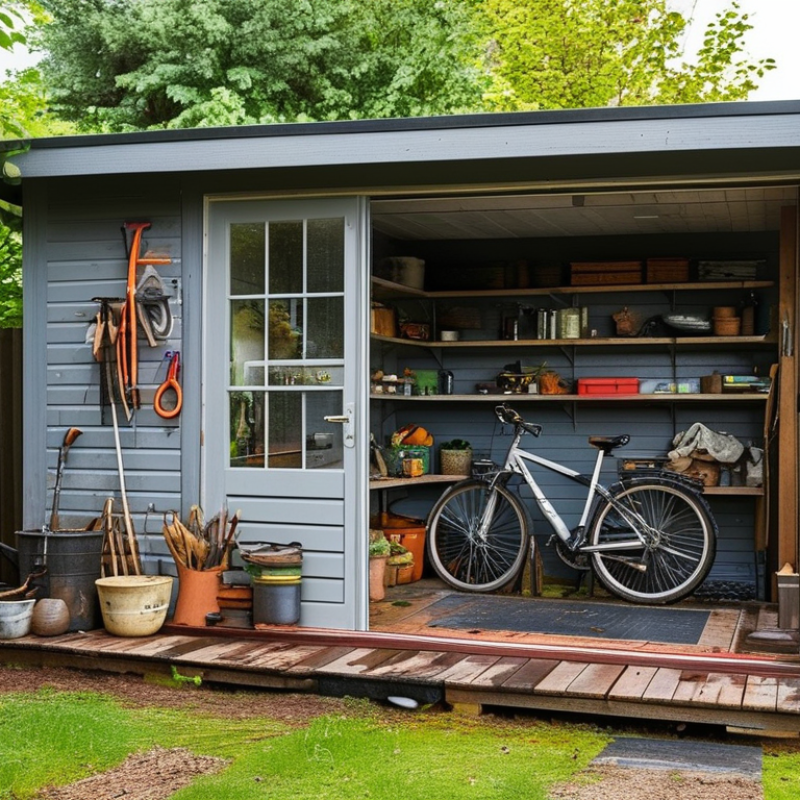
Why Choose a Garden Shed for Your Outdoor Space?

What Is a Garden Shed and What Purpose Does It Serve?

A garden shed is a small outdoor structure designed for storage, work, or both. It usually holds garden tools, pots, soil, bicycles, and seasonal equipment. Unlike a garage, it sits close to the garden and uses less space. Its purpose is simple: keep useful items dry, organized, and easy to reach.

In my experience, a shed works best when its location supports daily habits. A path to the door matters, especially with muddy boots or a full watering can. Shelves can keep hand tools above damp floors. Ventilation helps reduce condensation, while a raised base protects the floor from ground moisture. A lock adds practical security, but it should not replace sensible storage choices.

The structure can also become a quiet workspace. Sunlight through a small window makes seed preparation more comfortable. A sturdy bench supports potting, repairs, and plant care. However, a shed is not maintenance-free. Timber may need treatment, hinges can loosen, and clutter returns quickly. I once underestimated doorway width, making large garden equipment awkward to move. That mistake changed how I plan storage. Measuring tools before construction is a small step, but it prevents daily frustration.

How a Garden Shed Improves Outdoor Organization

Why Choose a Garden Shed for Your Outdoor Space?

A garden shed can turn scattered outdoor items into a working storage system. Place soil, hand tools, hoses, and seasonal furniture in clearly labeled zones. Keep frequently used tools near the door. Store chemicals separately and follow local safety guidance. This arrangement saves search time and protects equipment from rain, sunlight, and accidental damage. In my experience, a simple shelf often works better than another floor box. More storage is not always better.

Outdoor organization also supports wider home improvement goals. The 2024 U.S. Houzz & Home Study reported a median outdoor project spend of about $4,800 among renovating homeowners. That investment deserves protection. A shed can keep patio areas open, reduce visual clutter, and create space for bicycles or gardening supplies. The American Society of Landscape Architects’ residential trend research continues to identify outdoor living as a strong homeowner priority. A tidy storage point helps those spaces remain usable.

The layout still needs honest review. A narrow shed may look attractive but become frustrating when a mower blocks the entrance. Measure tall equipment first. Leave walking clearance around shelves. Use wall hooks, but avoid overloading them. Ventilation matters, especially after storing damp tools. I once treated a shed as a dumping place; it quickly became difficult to use. A monthly reset may be necessary. Small change. Better access.

Key Garden Shed Types, Materials, and Design Features

A garden shed can turn a crowded patio into a practical work zone. Grand View Research’s 2024 market assessment projects roughly 5% annual growth for the global garden-shed sector through 2030. That demand reflects changing outdoor habits, not only storage needs. A compact tool shed suits small gardens, while a walk-in shed supports potting, bicycles, and seasonal equipment. A corner model saves space. Measure twice.

Material choice affects maintenance, lifespan, and appearance. Pressure-treated timber offers warmth and easy repair, but it needs regular sealing. Galvanized steel resists insects and fire, though condensation can damage stored tools. Resin panels are light and low-maintenance, yet they may feel less stable in strong wind. The U.S. Forest Service’s Forest Products Laboratory stresses that moisture control is central to wood durability. Raise the floor above soil, add roof overhangs, and keep air moving through opposite vents.

Design details often decide whether a shed remains useful. Look for a wide door, washable flooring, and wall framing strong enough for shelves. Daylight through a small window reduces daytime lighting demand. Houzz’s 2024 U.S. Houzz & Home Study reported continued homeowner investment in outdoor improvements, supporting demand for better-finished storage spaces. Still, larger is not always better. I have seen oversized sheds become expensive dumping rooms. A simple layout, clear circulation, and honest storage planning usually work harder. Perfect symmetry is unnecessary.

Why Choose a Garden Shed for Your Outdoor Space? - Key Garden Shed Types, Materials, and Design Features

Garden Shed Type Typical Size Range Common Materials Best Uses Key Design Features Main Advantages Maintenance Level
Storage Shed 6 × 4 ft to 12 × 8 ft
(1.8 × 1.2 m to 3.7 × 2.4 m)
Timber, galvanized steel, resin, or composite panels Garden tools, lawn equipment, bicycles, seasonal furniture, and containers Wide single or double doors, wall hooks, shelving, ventilation, and a lockable entrance Creates organized storage space while keeping outdoor equipment protected from weather Low to medium
Potting Shed 6 × 4 ft to 10 × 8 ft
(1.8 × 1.2 m to 3.0 × 2.4 m)
Timber with glass, polycarbonate, or acrylic windows Seed starting, potting plants, storing compost, and preparing garden beds Workbench, glazed panels, potting bench, storage shelves, and good natural light Provides a dedicated area for gardening tasks and protects delicate plants from harsh weather Medium
Greenhouse Shed 6 × 8 ft to 12 × 20 ft
(1.8 × 2.4 m to 3.7 × 6.1 m)
Aluminum or timber frame with horticultural glass or polycarbonate glazing Growing vegetables, herbs, flowers, and seedlings in a controlled environment Transparent roof or walls, roof vents, adjustable shelving, raised beds, and water access Extends the growing season and increases light exposure for plants Medium to high
Workshop Shed 8 × 8 ft to 16 × 12 ft
(2.4 × 2.4 m to 4.9 × 3.7 m)
Timber, steel, or insulated composite panels Woodworking, repairs, crafting, model building, and equipment maintenance Reinforced floor, workbench, electrical outlets, task lighting, windows, and secure doors Offers a separate work area and reduces noise and clutter inside the home Medium
Bike and Tool Shed 4 × 3 ft to 8 × 6 ft
(1.2 × 0.9 m to 2.4 × 1.8 m)
Galvanized steel, resin, timber, or composite materials Bicycles, scooters, hand tools, helmets, hoses, and compact outdoor equipment Vertical storage rails, floor anchors, compact doors, ventilation, and weather-resistant locks Uses a small footprint efficiently and keeps frequently used items accessible Low
Home Office Shed 8 × 6 ft to 16 × 10 ft
(2.4 × 1.8 m to 4.9 × 3.0 m)
Insulated timber frame, composite panels, or insulated metal construction Remote work, studying, online meetings, and quiet hobbies Insulation, double glazing, electricity, heating or cooling, data connection, and ergonomic layout Separates work from household activity and can improve concentration Medium to high
Log Cabin Shed 10 × 8 ft to 20 × 12 ft
(3.0 × 2.4 m to 6.1 × 3.7 m)
Interlocking timber boards, engineered wood, or insulated timber panels Garden rooms, guest spaces, hobby rooms, leisure areas, and larger storage needs Thicker wall construction, windows, glazed doors, roof insulation, and optional interior finishes Provides a comfortable, attractive, and adaptable outdoor room Medium to high
Lean-To Shed 4 × 2 ft to 10 × 4 ft
(1.2 × 0.6 m to 3.0 × 1.2 m)
Timber, steel, resin, or composite panels Small tools, bins, firewood, hoses, and narrow-side access storage Single-slope roof, wall-mounted design, compact doors, shelves, and rainwater management Fits beside walls or fences and makes efficient use of limited outdoor space Low

Planning note: Before installation, check local planning rules, prepare a level base, allow sufficient door clearance, and provide adequate ventilation to help prevent condensation.

Factors to Consider When Choosing a Garden Shed

A garden shed can turn unused outdoor space into a practical working area. Choosing the right one requires more than checking its appearance. Measure the available ground, including space for opening doors and walking around the walls. A shed should also suit your garden’s scale. An oversized structure may block sunlight, while a small one quickly becomes crowded. I once underestimated storage needs and regretted it after adding garden tools, pots, and bags of soil.

Tips: Check the base, roof, ventilation, and security features before buying. A level, well-drained foundation helps prevent shifting and moisture damage. Choose weather-resistant materials suitable for your local climate. Timber can feel warm and natural, but it may need regular treatment. Metal sheds often offer strength, although condensation can become a problem without ventilation. Plastic options are lightweight, yet their stability deserves careful checking.

Think about how you will use the shed throughout the year. Shelving can protect fragile items and keep the floor clear. Windows provide daylight, but they may reduce wall space for storage. Consider future needs, too. Hobbies change. Tools multiply. Check local planning requirements before installation, since outdoor structures may have size or location limits. A thoughtful choice is not always perfect, but it should remain safe, accessible, and useful over time.

How to Plan, Install, and Maintain a Garden Shed

Why Choose a Garden Shed for Your Outdoor Space?

A garden shed can turn an unused corner into valuable storage and working space. Planning begins with the site, not the shed itself. Measure the available area, including door clearance and maintenance access. Keep a clear path around the structure. A 60-centimeter walkway is practical for carrying tools and checking walls. Observe sunlight, wind, and standing water after rain. These details often reveal problems that a quick inspection misses. Check local planning rules before ordering materials.

Choose a firm, level base made from concrete, paving slabs, or compacted gravel. The base should extend slightly beyond the walls to reduce splashback and ground moisture. Install the floor above surrounding soil where possible. During assembly, use a spirit level repeatedly. Small errors become obvious when doors fail to close. Do not rush this stage. I have underestimated how much time careful leveling requires, and that mistake usually costs more time later. Use weather-resistant fixings and leave ventilation gaps where the design allows.

Maintenance is simple but regular. Inspect the roof after heavy rain, especially around joints and edges. Clear leaves from gutters and keep soil away from exterior panels. Recoat exposed timber when the surface looks dry, cracked, or faded. Check hinges, locks, and floor corners each season. Store heavy tools low and distribute weight evenly. A shed can remain useful for years, but only when minor defects receive attention early. Forgetting one inspection is understandable; repeating that neglect is expensive.

Why Choose a Garden Shed for Your Outdoor Space?

How to plan, install, and maintain a garden shed with a practical annual care schedule.

A well-planned shed needs a level, well-drained base, secure installation, and regular maintenance. This suggested schedule highlights common care tasks: inspect ventilation and moisture monthly, check the roof and hardware twice a year, and review the foundation and exterior finish annually.

FAQS

What is a garden shed used for?

It stores tools, pots, soil, bicycles, hoses, and seasonal outdoor equipment. It keeps these items dry and easy to find.

Where should a garden shed be placed?

Choose a firm, level area with good drainage. Leave a clear path to the door and space for wall maintenance.

How much walking space should surround a shed?

A walkway around 60 centimeters wide is practical for carrying tools and checking the walls. More space feels better, honestly.

What should be checked before installation?

Measure the site, door clearance, tall equipment, sunlight, wind, and standing water after rain. Check local planning requirements before ordering materials.

Which base works well for a garden shed?

Concrete, paving slabs, or compacted gravel can provide a stable base. Raise the floor slightly above nearby soil to limit moisture.

How can a shed stay organized?

Create zones for soil, hand tools, hoses, and seasonal items. Put daily-use tools near the entrance. Labeling helps, though labels sometimes get ignored.

How can a shed become a useful workspace?

Add a sturdy bench, a small window, and shelves above the floor. This creates room for potting, repairs, and seed preparation.

How should a garden shed be maintained?

Inspect the roof after heavy rain, clear leaves, and keep soil away from exterior panels. Check hinges, locks, floors, and timber coatings each season.

What common planning mistake should be avoided?

Do not guess equipment sizes. Measure mowers, bicycles, and other large items before construction. A narrow doorway becomes frustrating very quickly.

Does a garden shed require much maintenance?

It needs regular attention, but not constant work. Small repairs prevent larger costs. I once delayed inspections, and the problem grew quietly.

Conclusion

A Garden Shed is a practical outdoor structure designed to store tools, gardening equipment, bicycles, seasonal items, and other household essentials. By moving clutter out of the home and organizing belongings in one dedicated space, it can make a yard more attractive, functional, and enjoyable. Garden sheds come in various sizes and styles, with options such as wood, metal, or resin construction, along with features including windows, ventilation, shelving, workbenches, and secure doors.

When choosing a Garden Shed, consider the available space, storage needs, local weather, budget, appearance, and any planning requirements. Careful preparation is important, including selecting a level foundation, measuring access routes, and planning the interior layout before installation. Regular maintenance, such as checking the roof, cleaning surfaces, protecting materials from moisture, and keeping doors and fittings in good condition, can help the shed remain safe, useful, and attractive for many years.

Oliver

Oliver

Oliver is a seasoned marketing professional with a wealth of expertise in driving brand awareness and engagement. With a deep understanding of our company's product offerings, he consistently delivers high-quality content that enriches our professional blog. His insights not only shed light on......